The Kom Ombo Temple
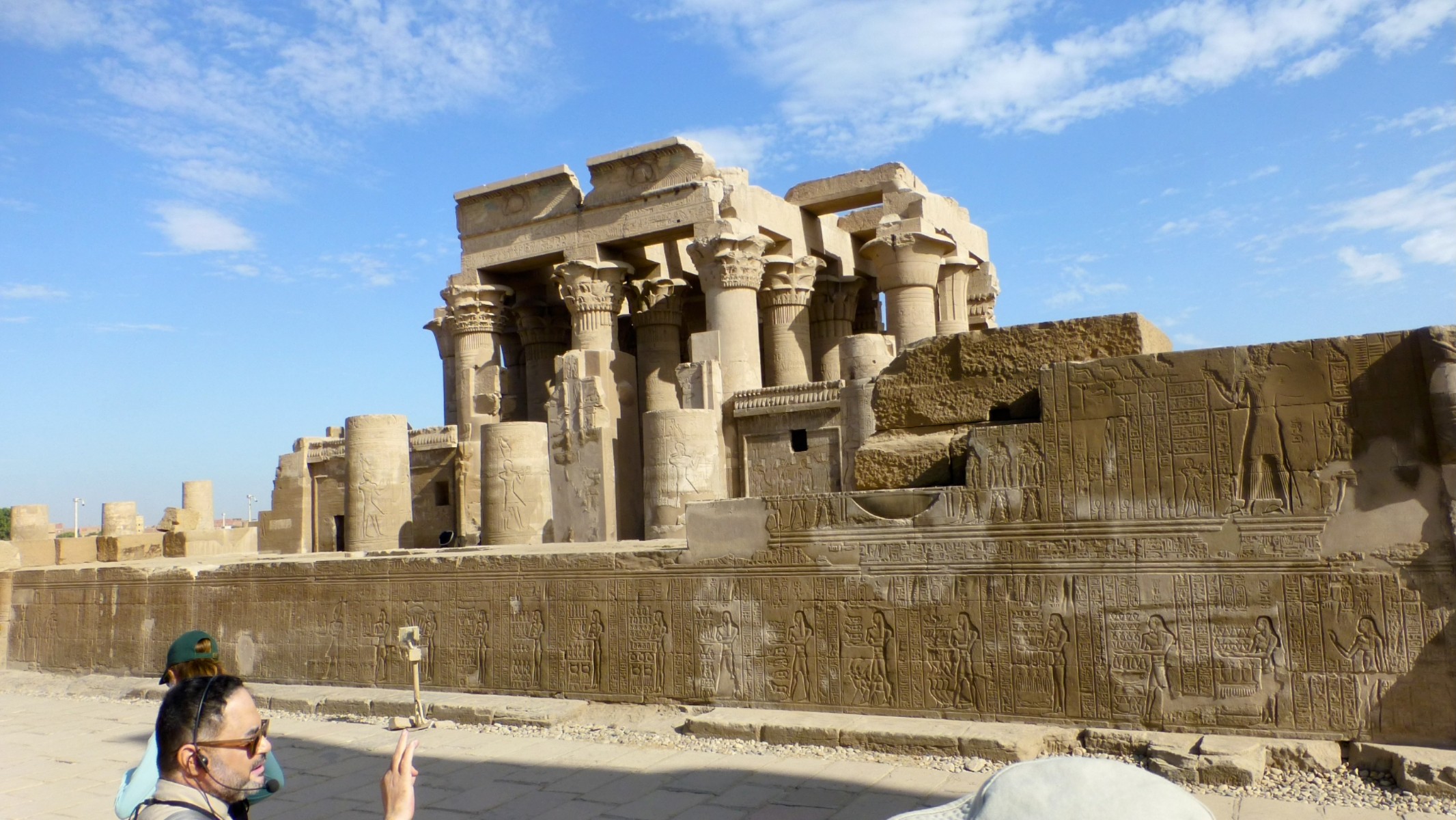
Today we have only one major tour on our dance card - the Kom Ombo Temple. Constructed during the Ptolemaic dynasty, 180–47 BC, the Temple of Kom Ombo is an unusual double temple located in the town of Kom Ombo in Aswan, Upper Egypt. Built in The Greco-Roman period, the temple is dedicated to Sobek the crocodile god, and Horus the falcon-headed god and husband of Hathor. The temple was built by the Romans in an attempt to emulate an Egyptian temple.
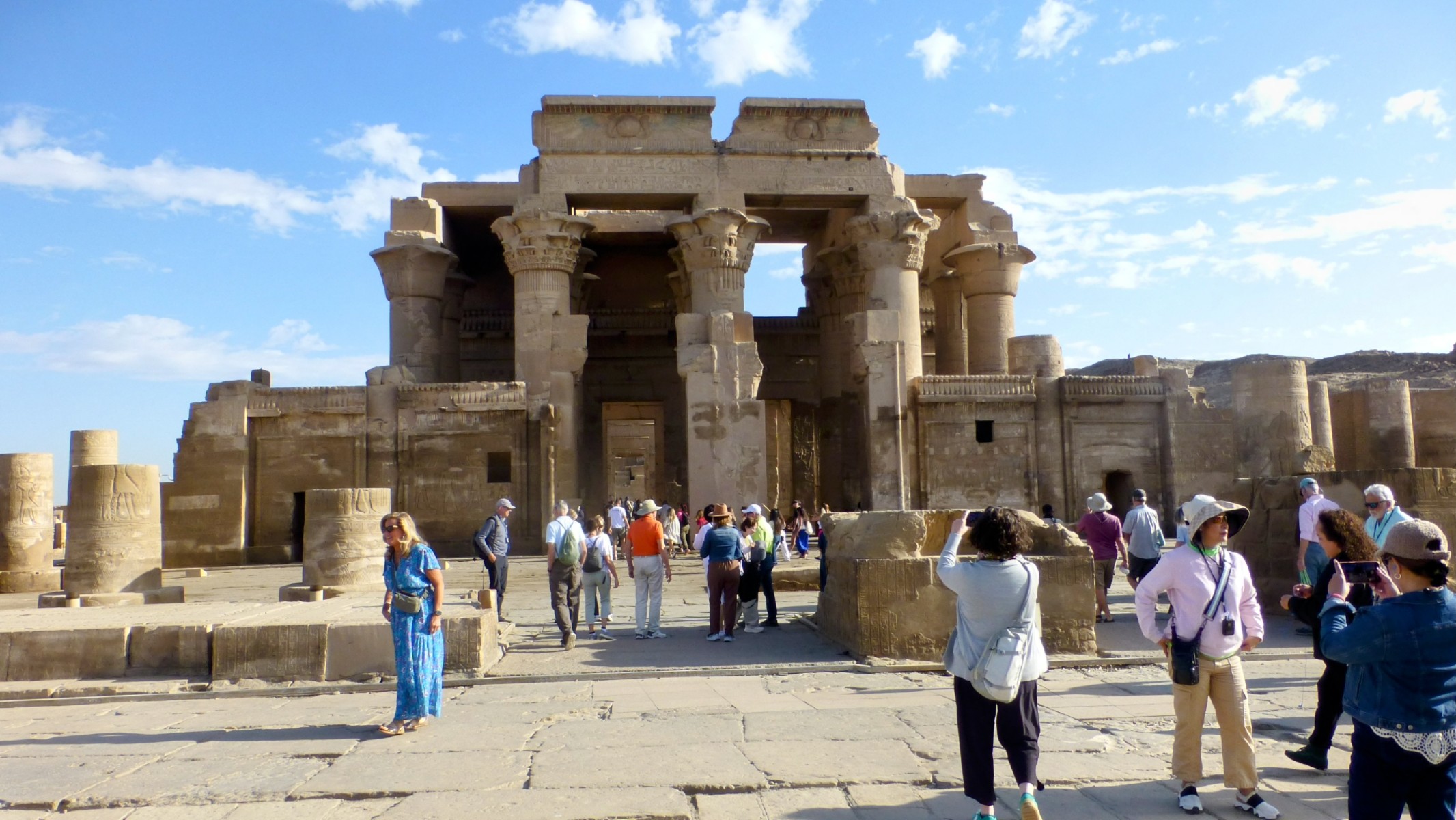
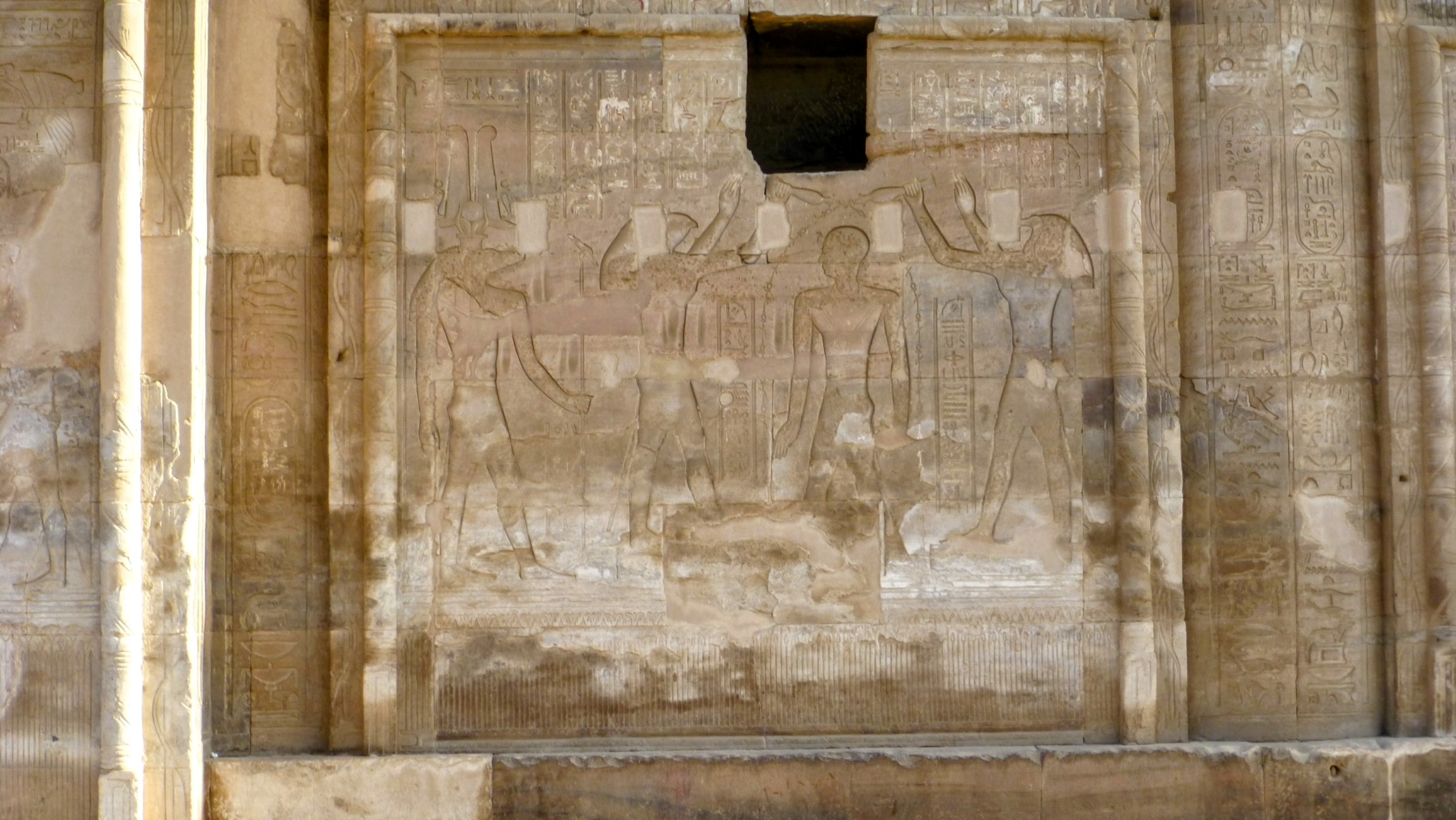
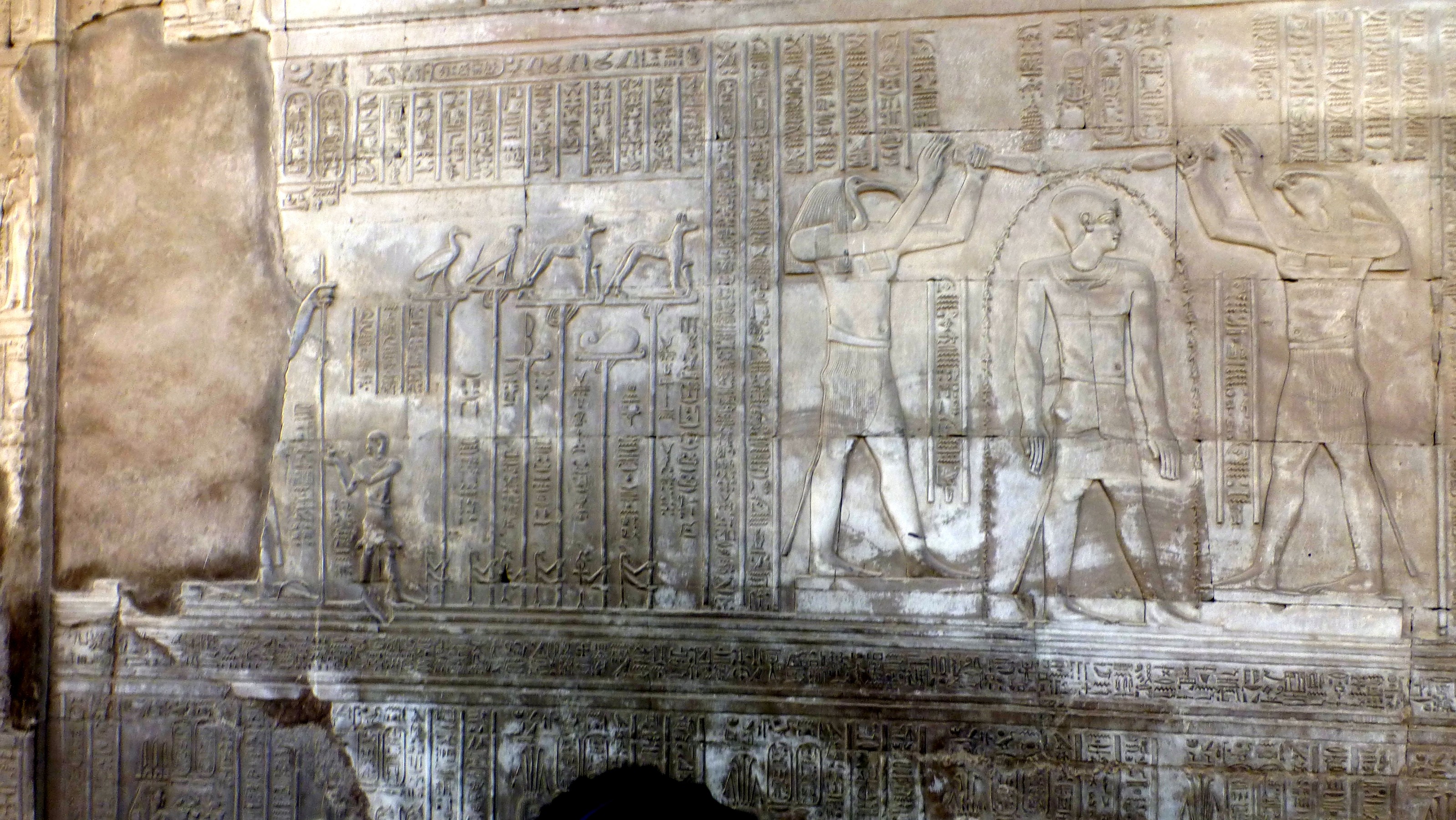
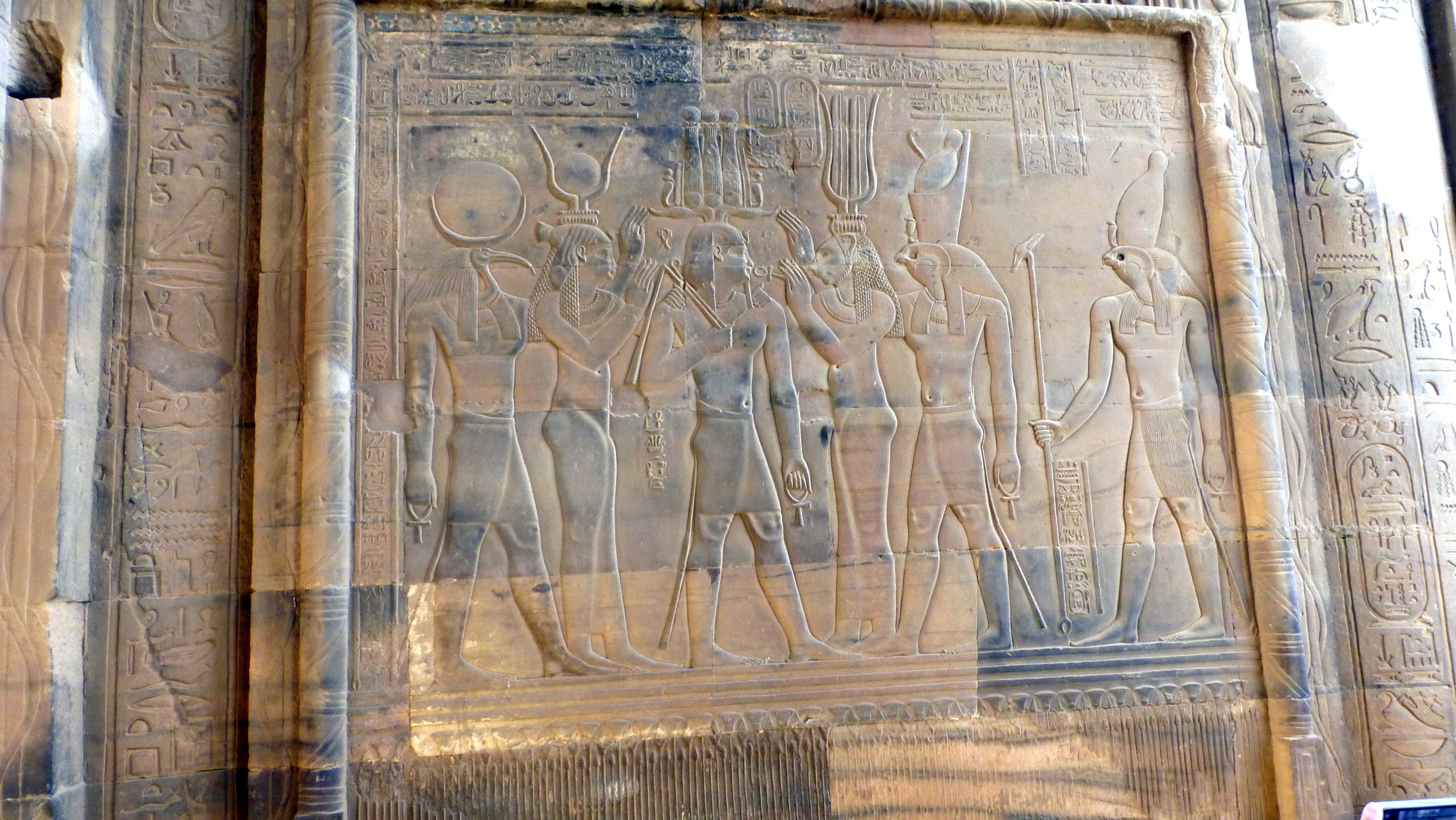
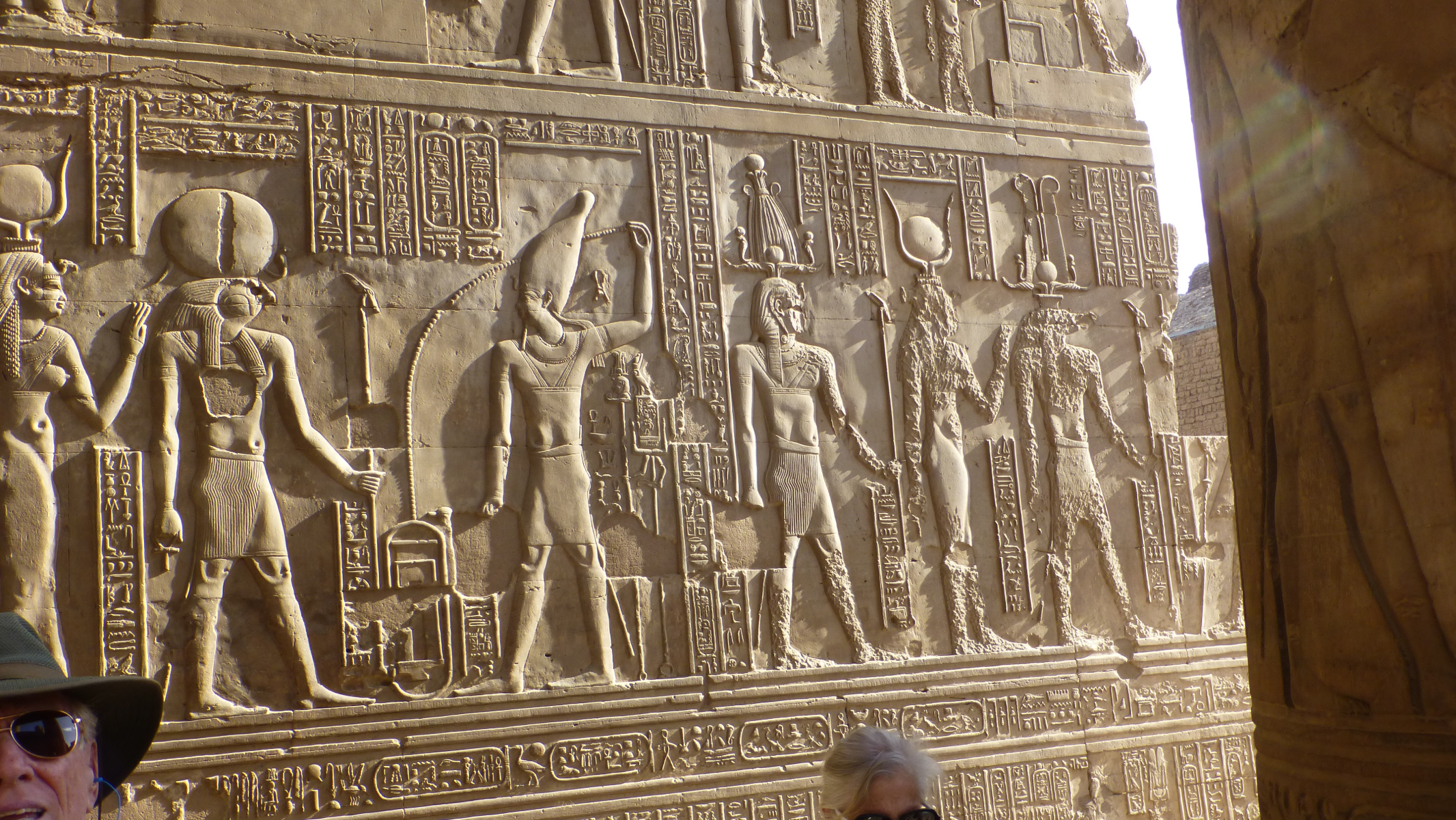
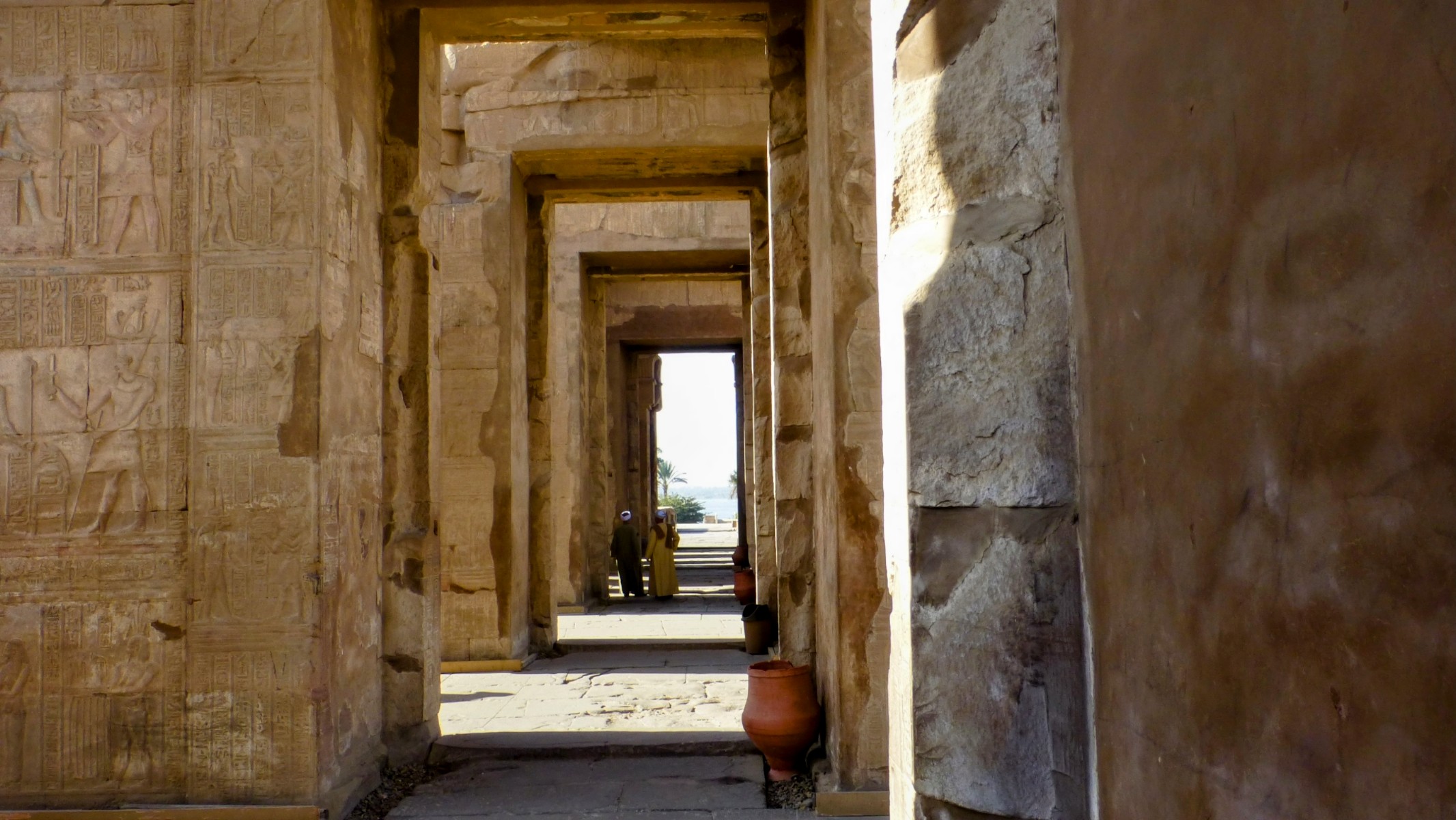
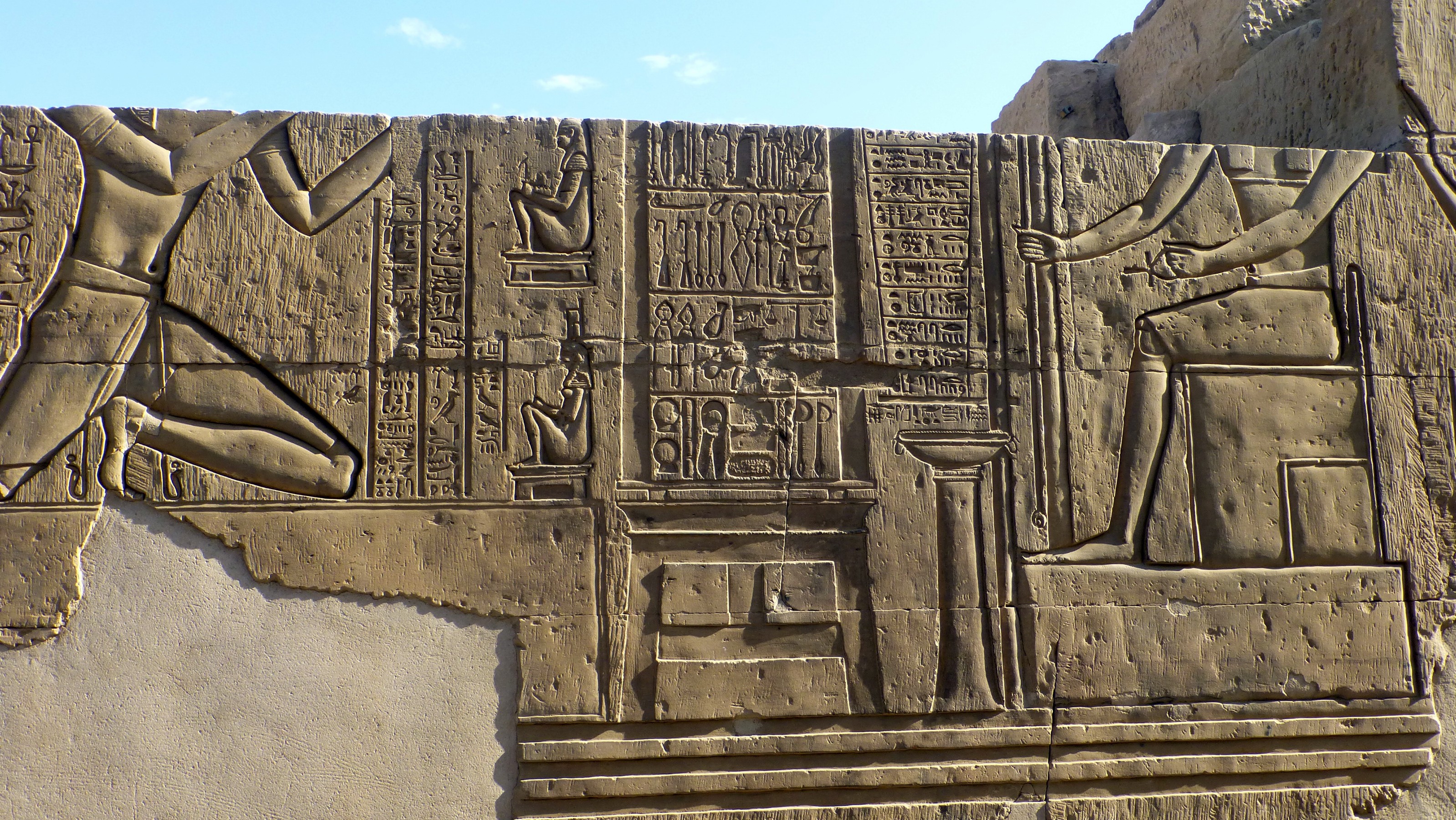
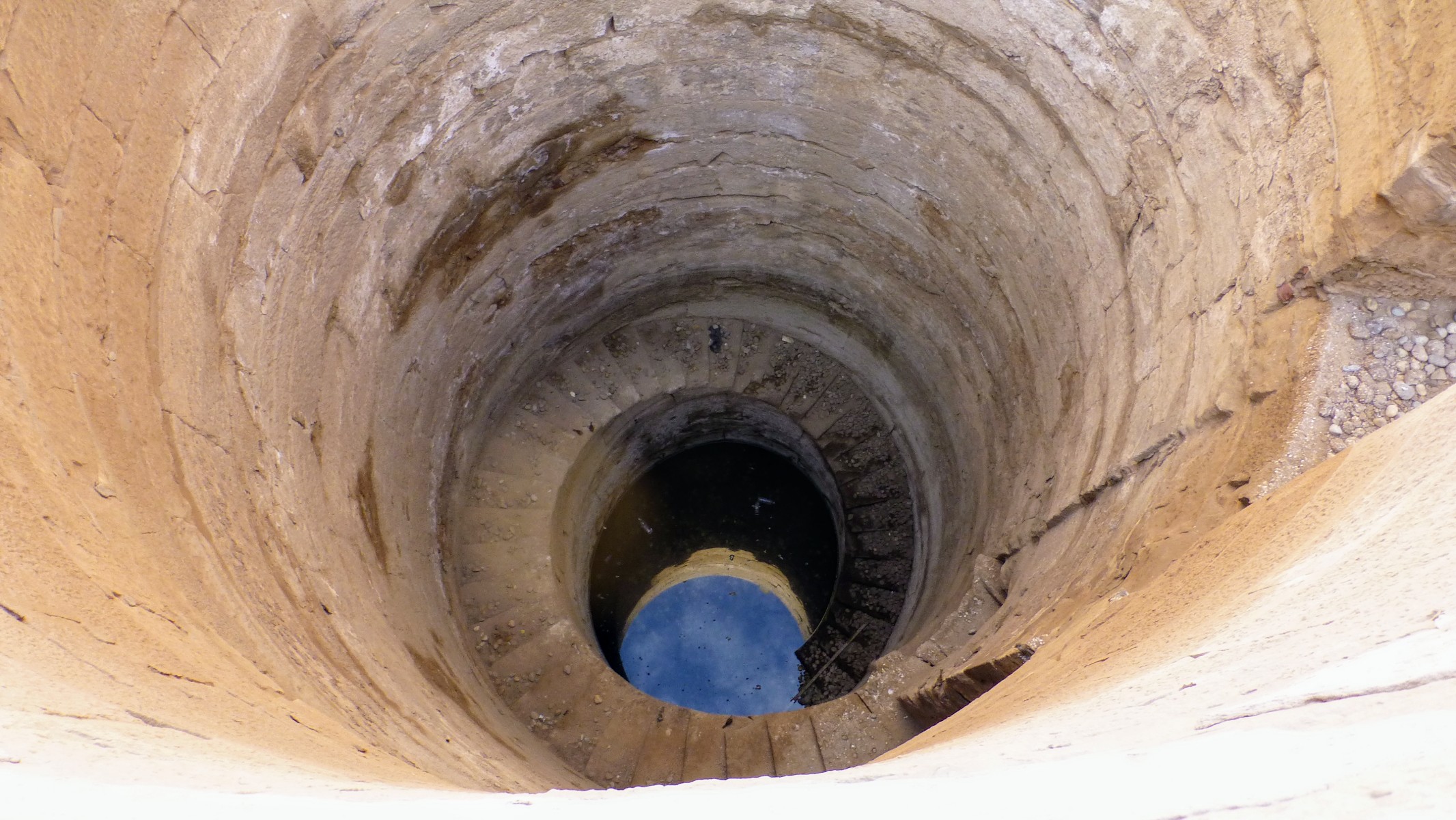
The entrance to Kom Ombo Temple. Ptolemy VII is receiving blessings from Horus and Sobek. This depicts Ptolemy VII receiving incense from Horus and Toth. Left to right, Toth, Hathor, Ptolemy VII, Sekmet, Horus with the crown of Upper and Lower Egypt and Horus depicted with the crown of Upper Egypt. Note the two figures on the right that have had parts of their bodies pecked away. This was done by any of a number of religious orders, including Christians, that had taken over the temple as a church. The pecking of the figures was to remove them; however, only a portion of the figure or figures had to be pecked. Looking down the main corridor you can see how close this temple is to the Nile. It makes it a favorite of the cruise ships since they can tie up and go directly into the temple (as we did). For this reason it was also featured in the 1978 movie, <q><i>Death on the Nile</i></q>. Among its other duties, Kom Ombo provided medical assistance. The figures in the middle show a number of medical instruments including scalpels, forceps, curettes, specula, scissors, saws, and medicine bottles. To the right, the hieroglyphs explain how each instrument is used. At the bottom of the well dwelled the crocodile god Sobek. The priests could approach him using the stairs.


The temple houses a Crocodile Museum dedicated to Sobek and contains over 300 crocodile mummies discovered nearby. Recent archeological discoveries include the bust of Roman Emperor Marcus Aurelius and a sandstone sphinx statue.
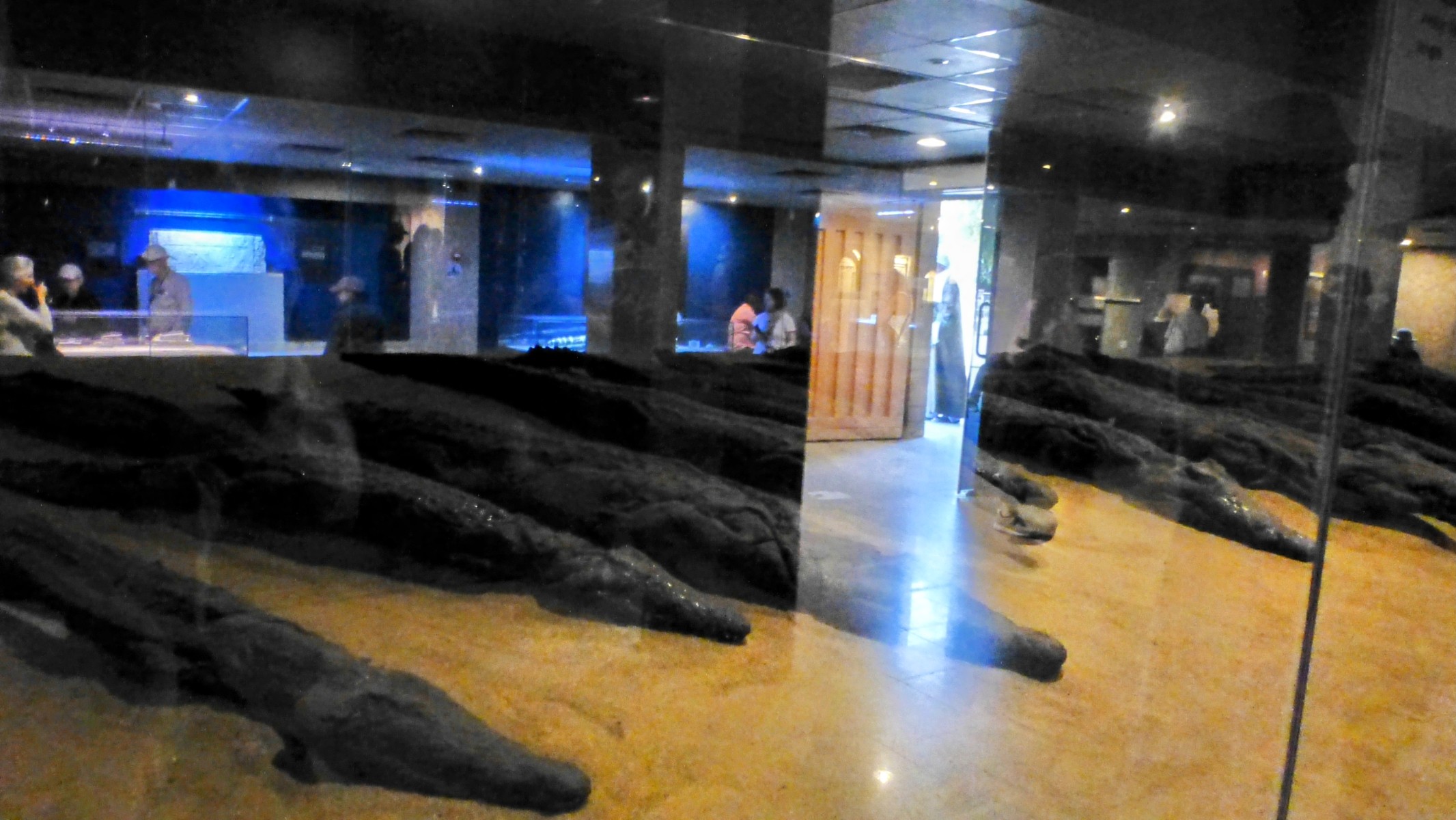
The museum includes a number of mummified crocodiles as shown here. Unfortunately, due to the lighting, this is all I got (and pardon the reflection).


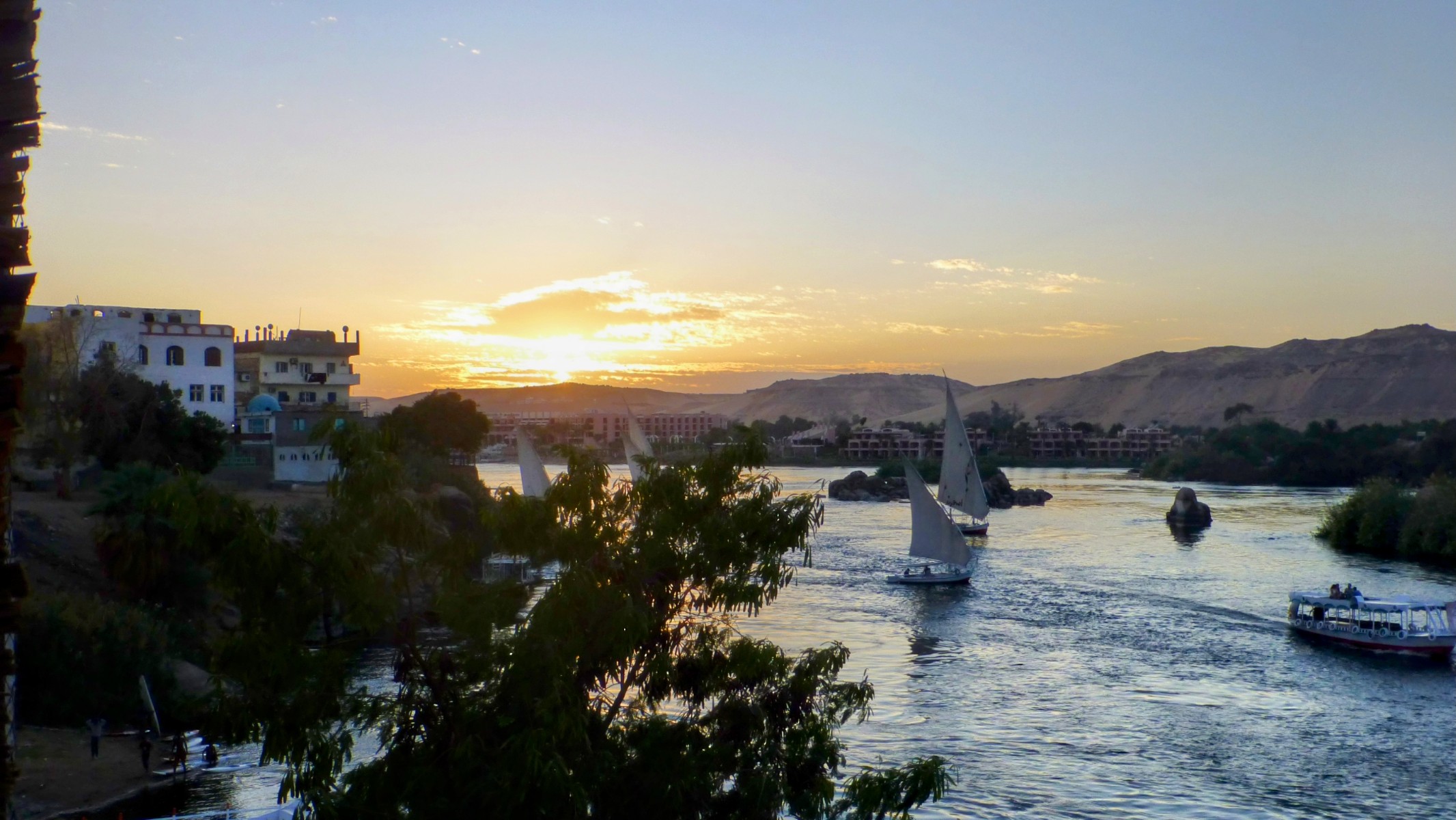
After the temple tour, we sailed serenely down the Nile to Aswan. There we will enjoy an evening motor boat ride of the city and then a short sail in a felucca, the small traditional boat with large triangular sails that you see in most photos of the Nile. After the boat rides, we took a high tea (or low coffee) at The Cataract Hotel and enjoyed the sunset.
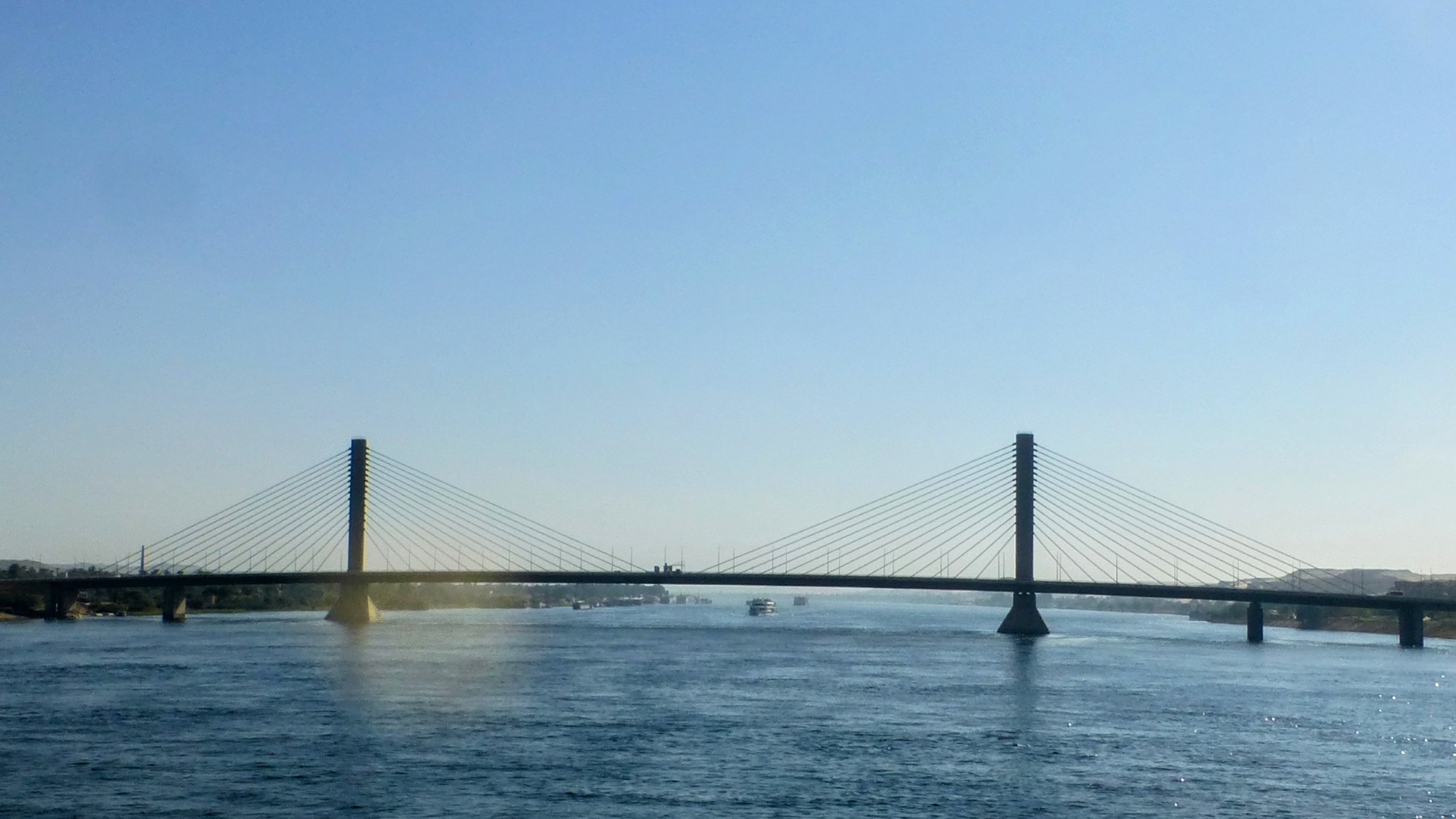
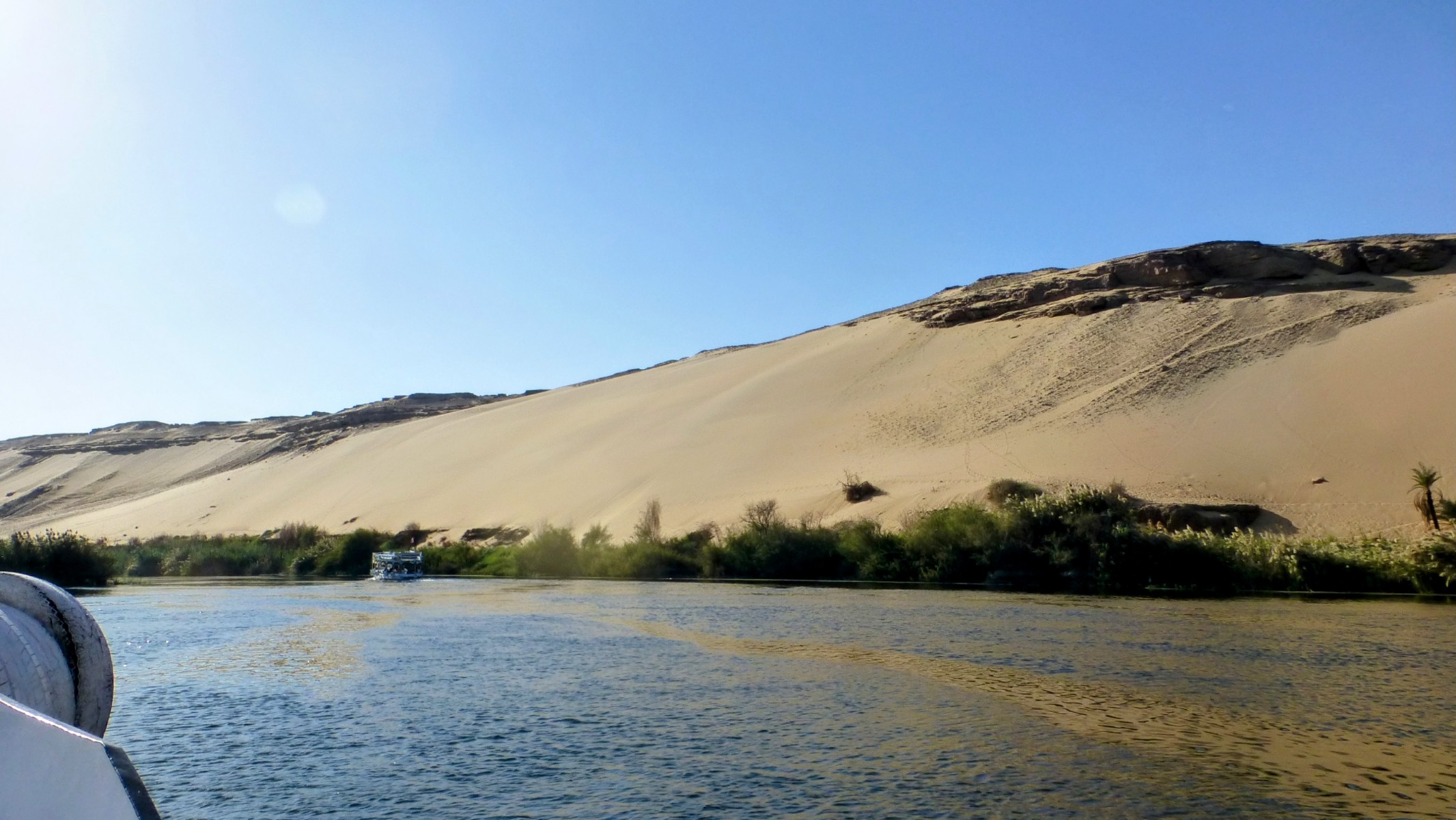
Cruising down the Nile we came to the Aswan Cable Stay Bridge. As we traveled further south, sand started to dominate the shore line.


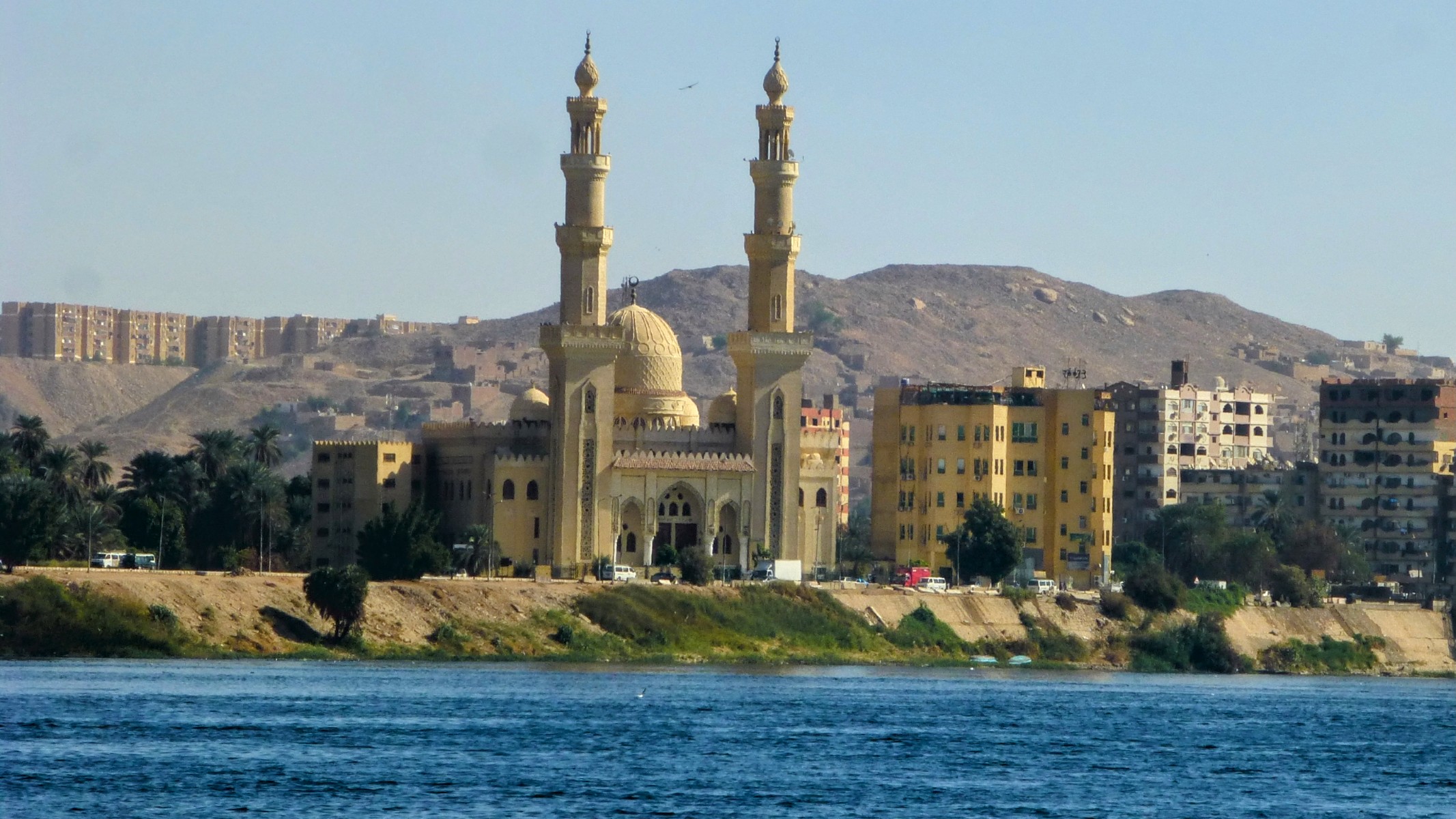
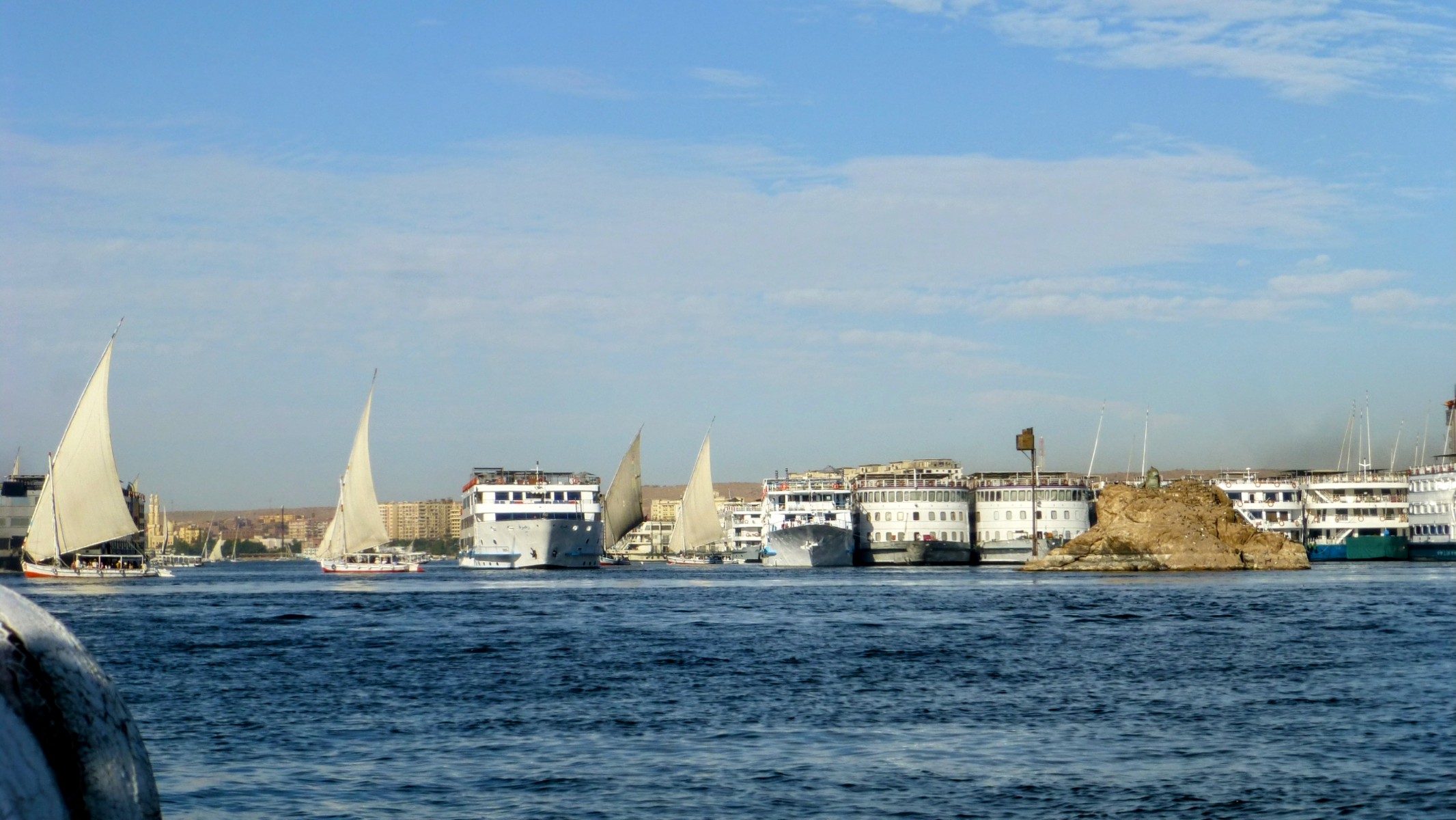
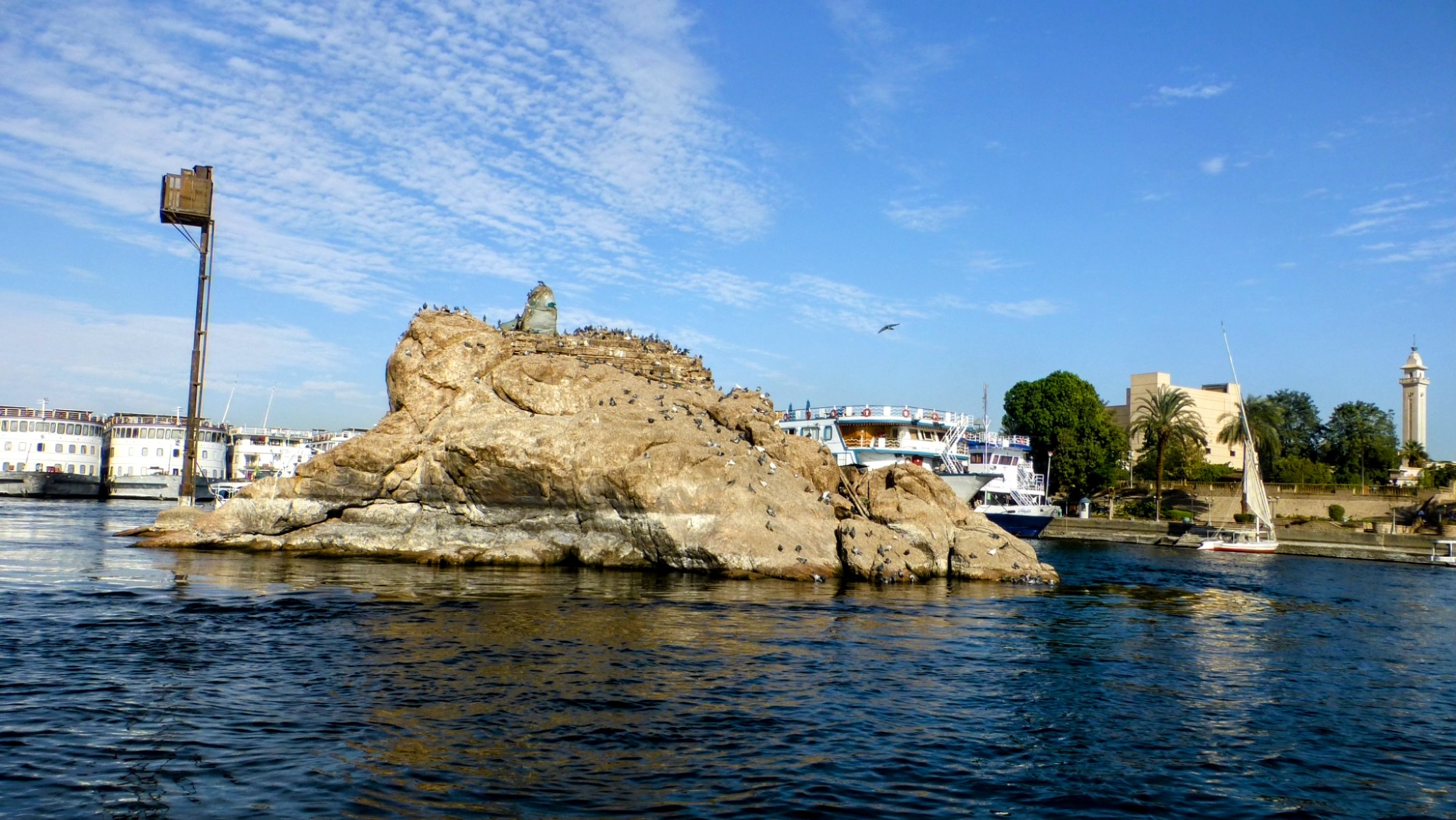
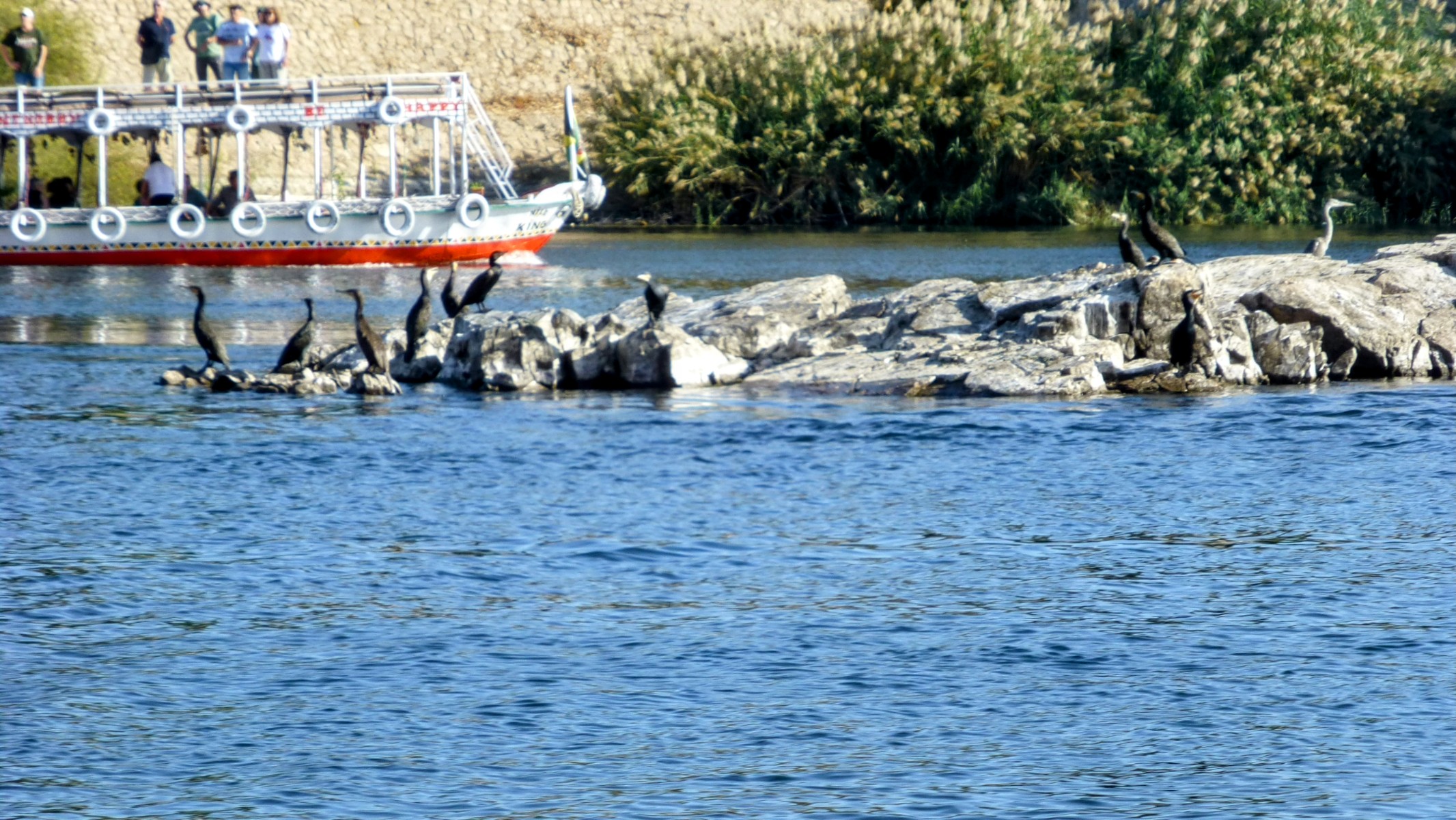
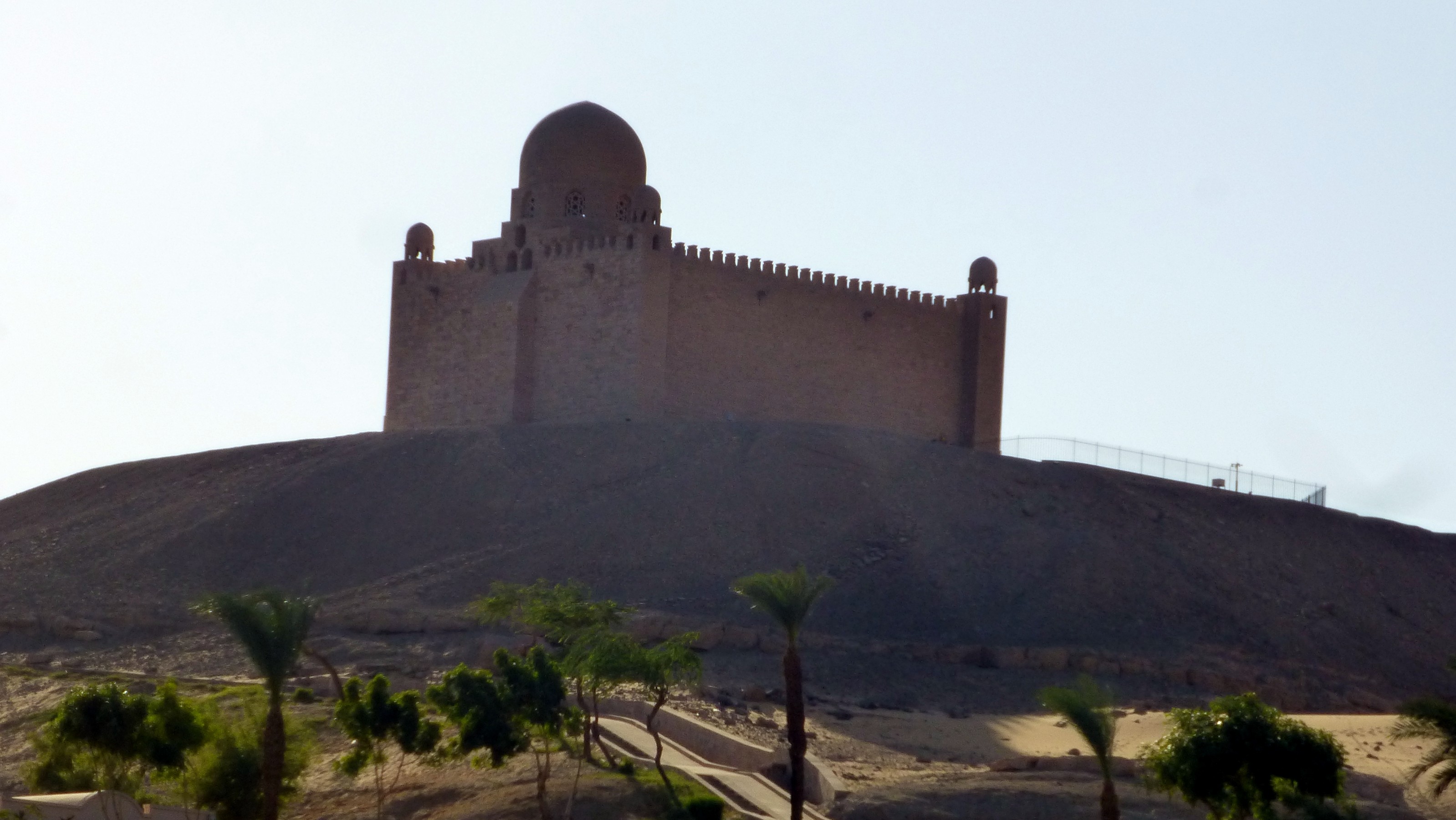
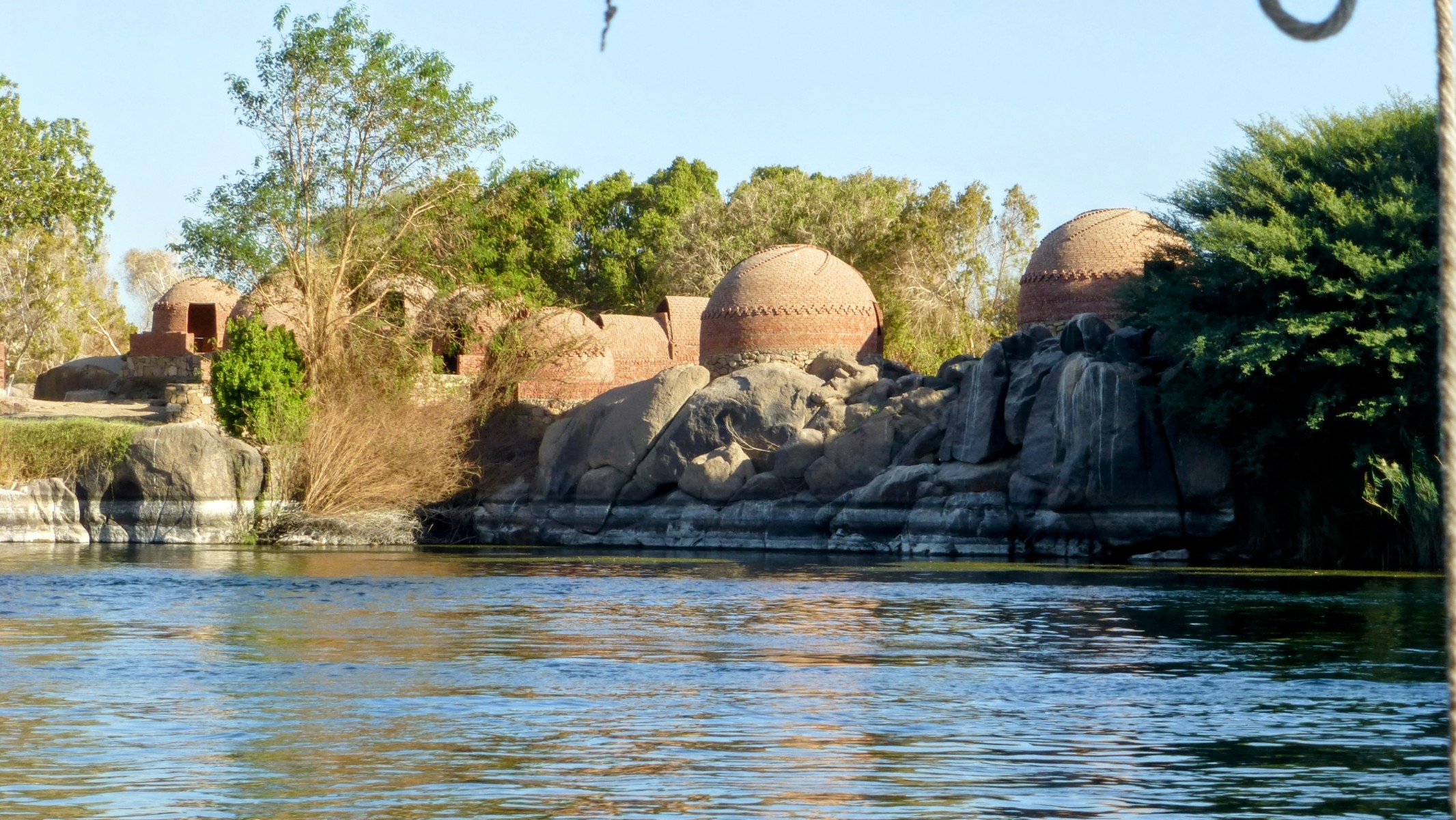
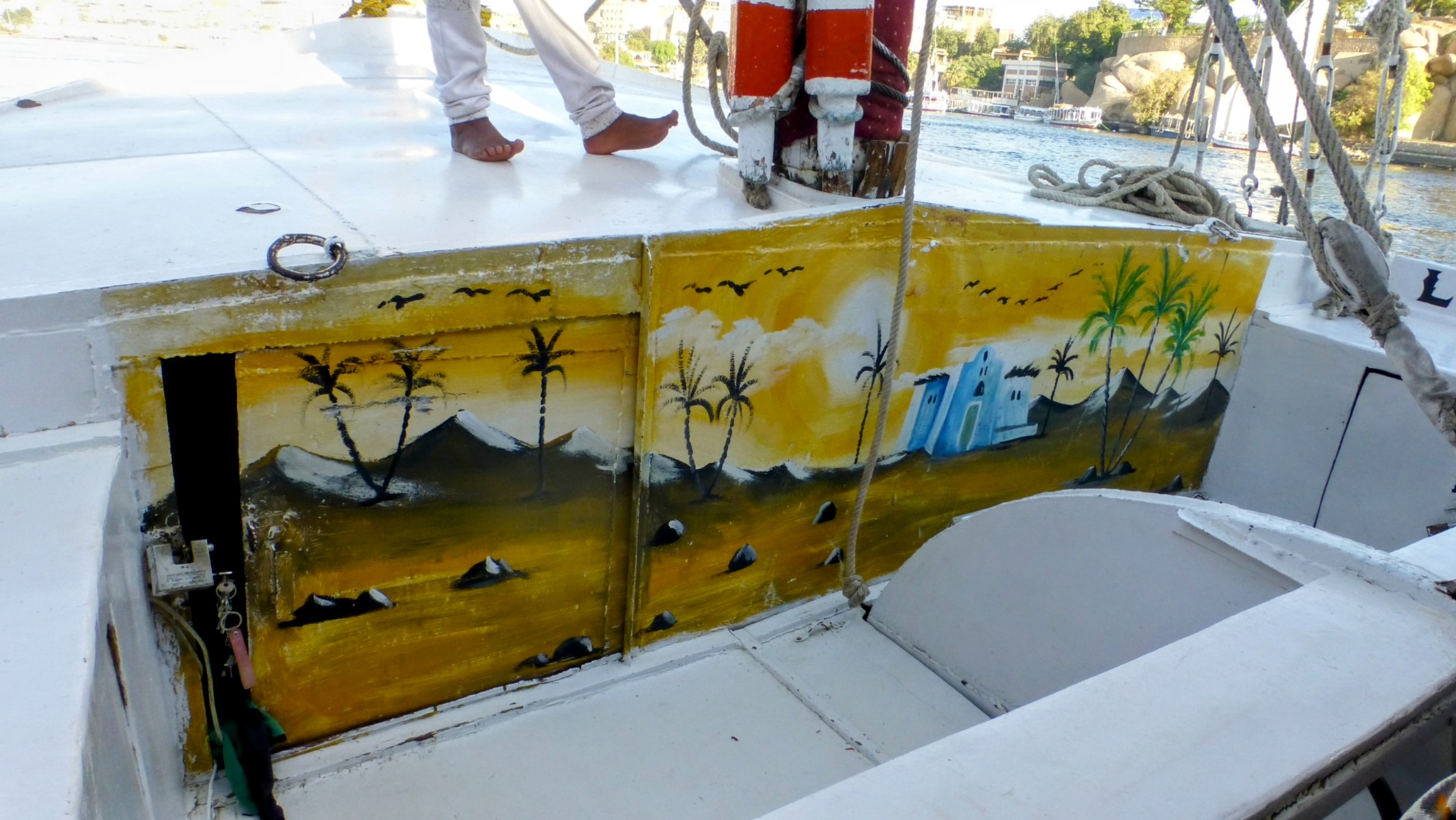
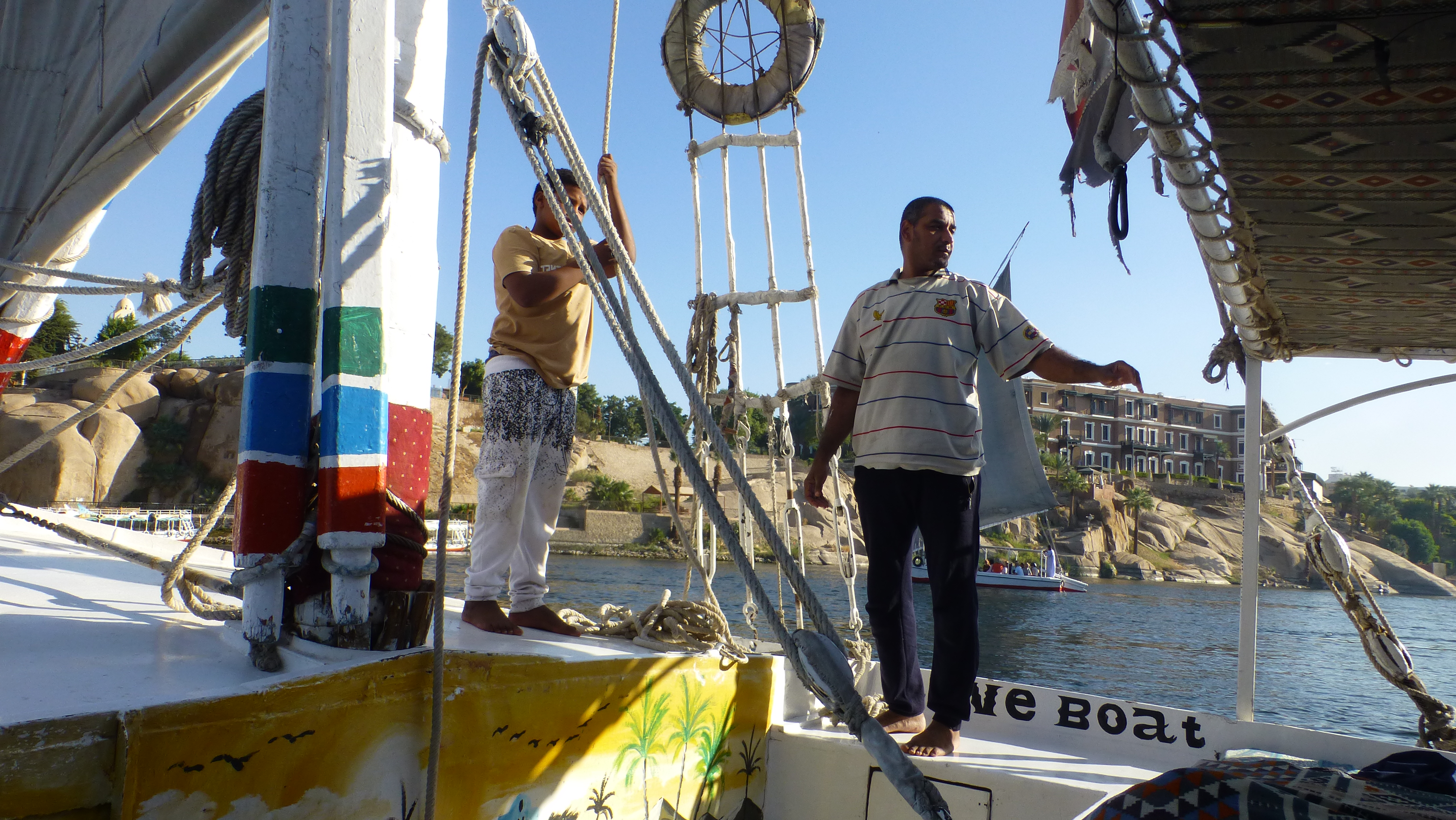
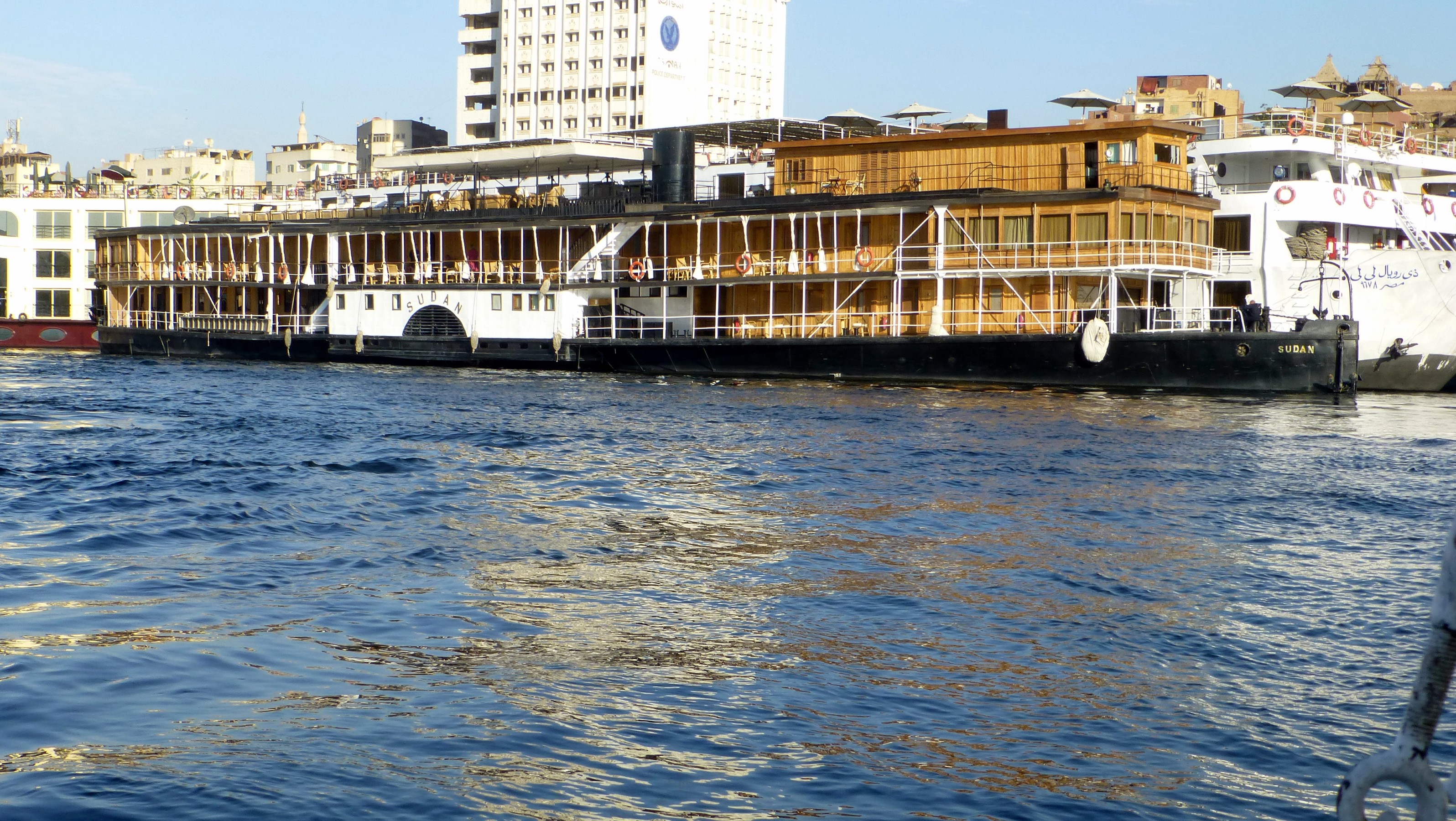
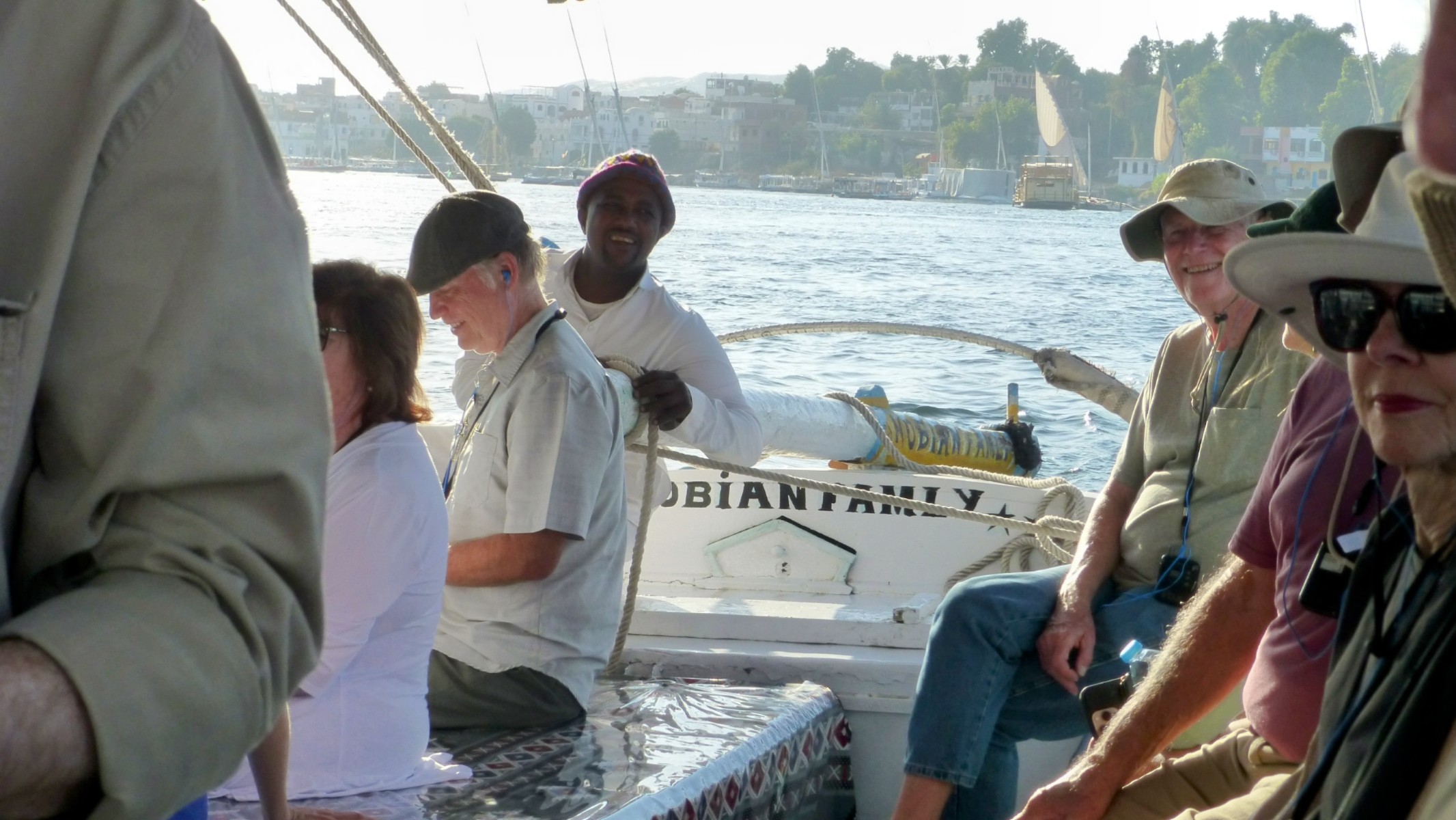
Just before reaching Aswan we passed this majestic mosque. As we started our boat ride, we spotted these feluccas in the distance. Next we passed this island of birds. Here was an island of what appear to be cormorants. This is a mausoleum to a rich person that wished to be returned to Aswan when he died. These are houses that some of the Nubian people live in. Aboard our felucca, this was painted on the fore of the boat. Two of the felucca's crew members. This is the SS Sudan, the only steam driven paddle wheel boat remaining on the Nile. It was aboard this boat that Agatha Christie wrote <q><i>Death On The Nile</i></q>. Our felucca captain.

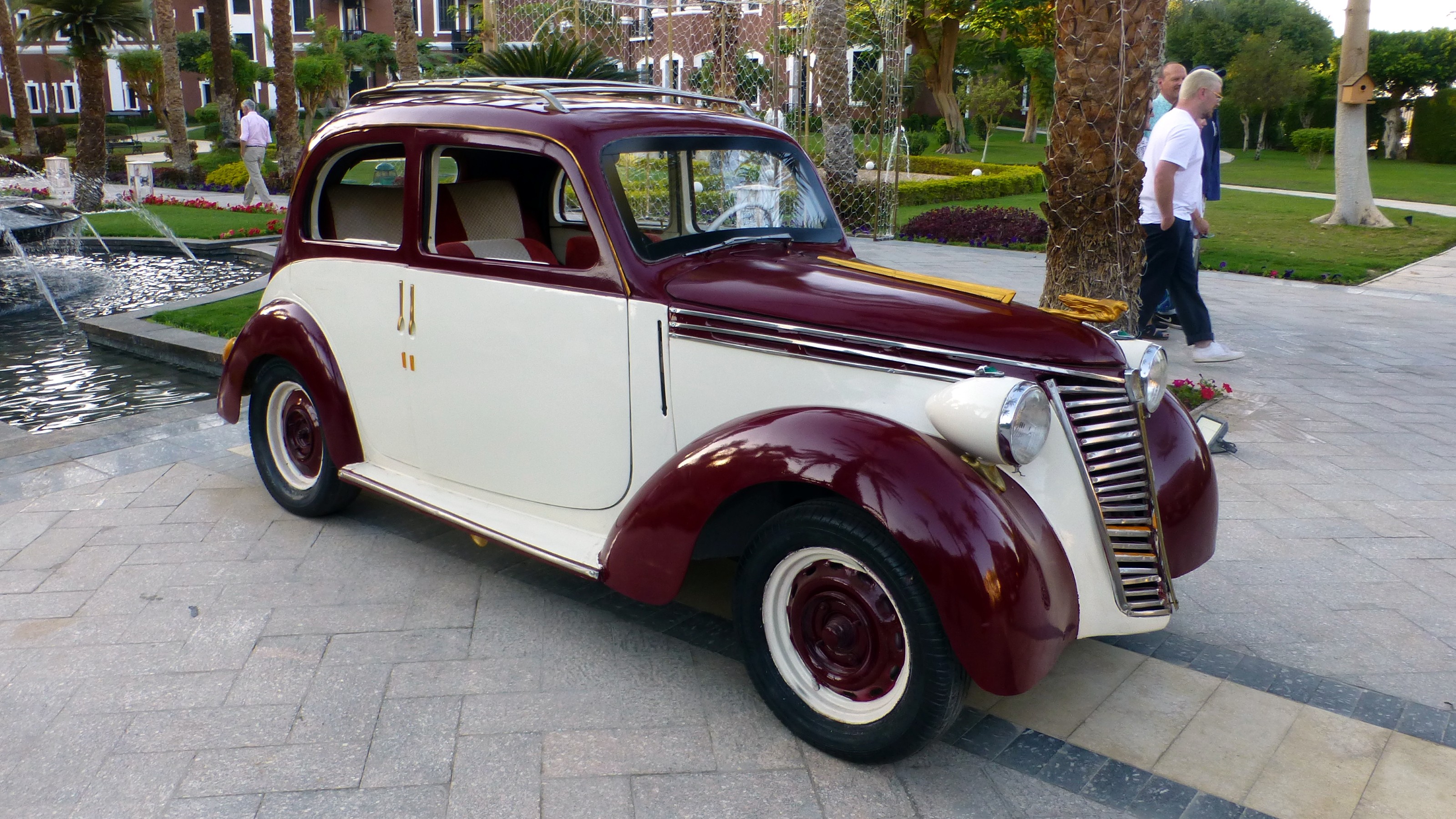
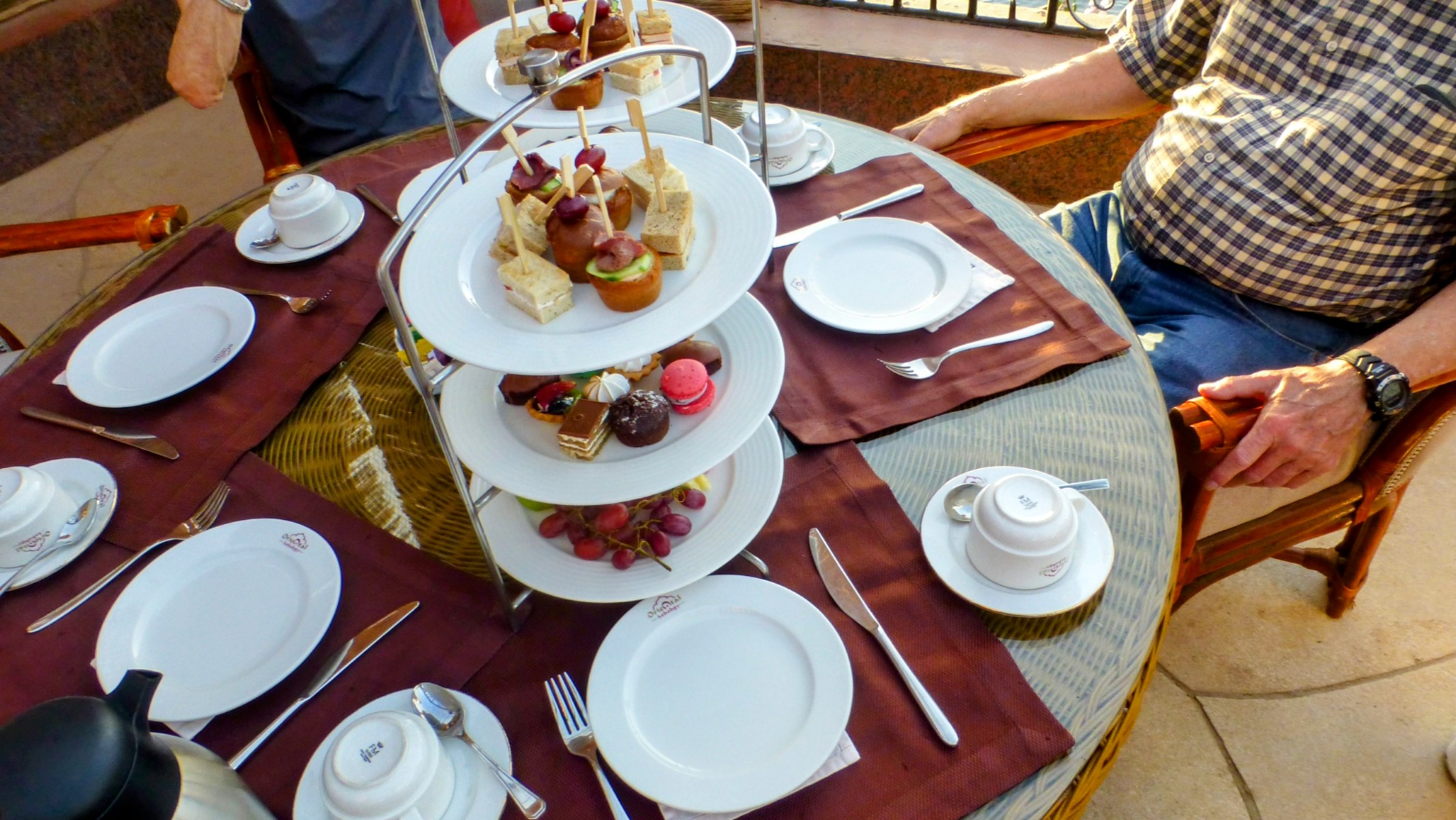
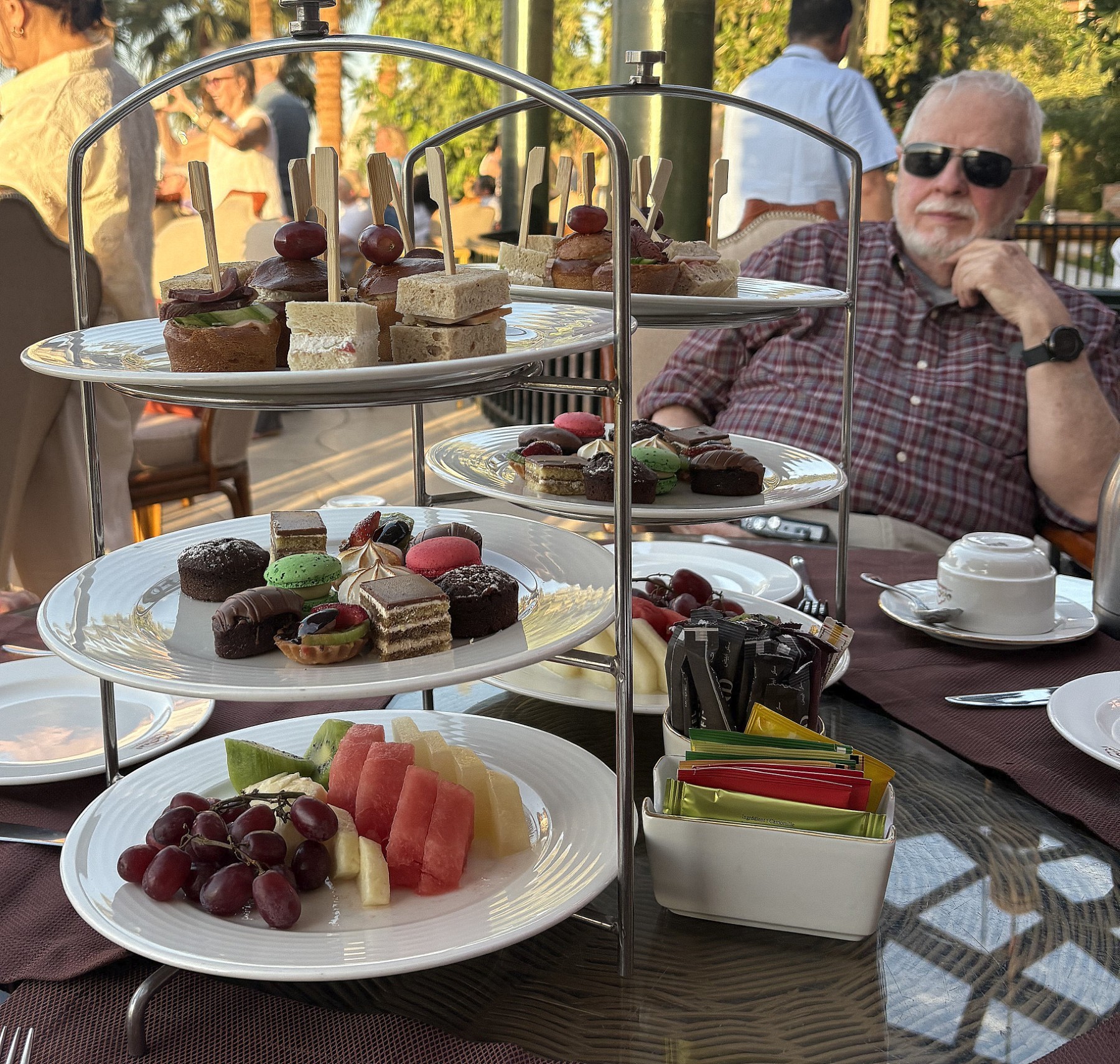
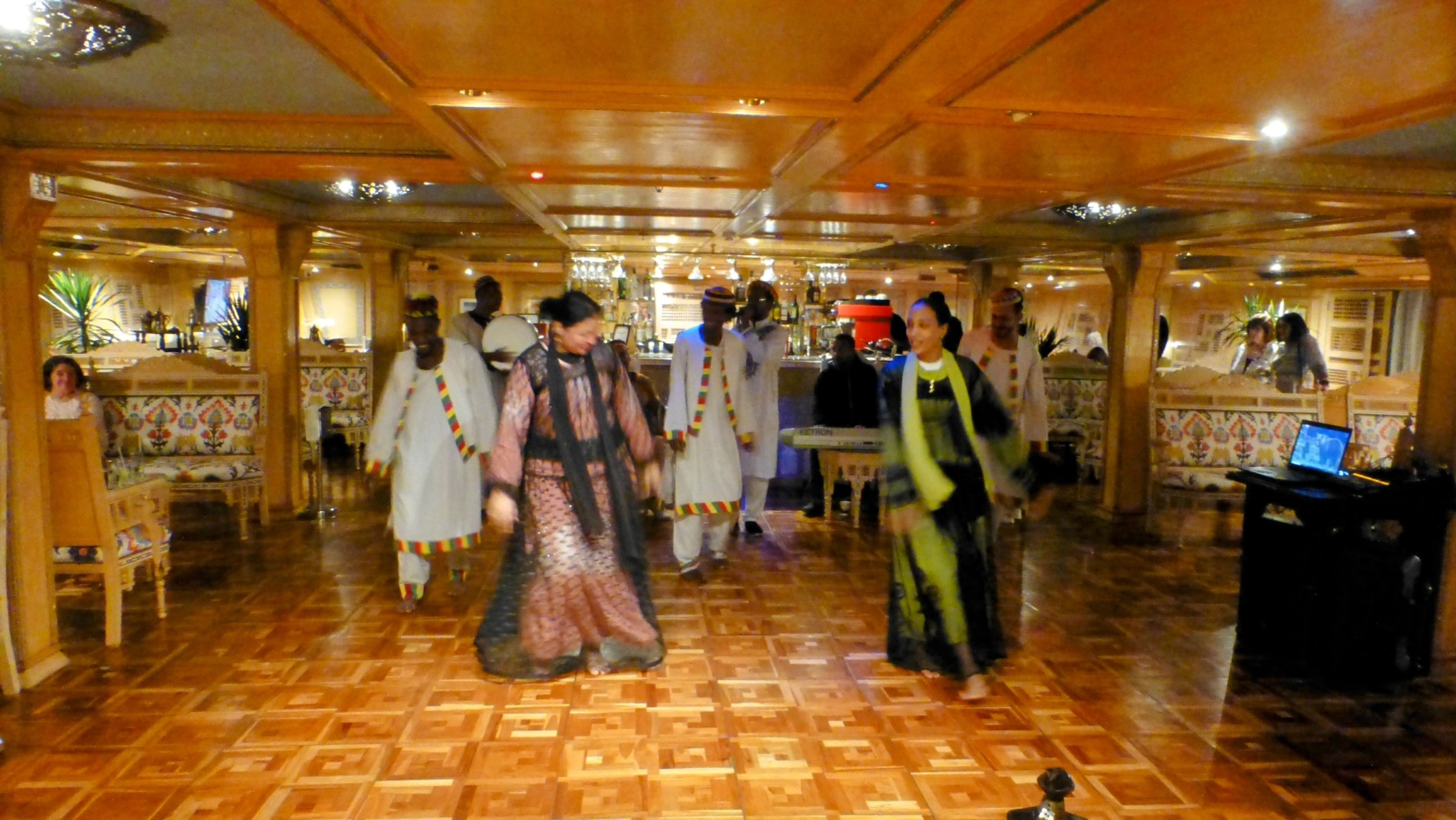
At the Cataract Hotel we were greeted by this classic early 1950s era Fiat 1100. Our high tea was served with this three tiered stand with sandwiches, pastries and fruit. Yours truly looking quite satisfied at the high tea. The event for which we came - sunset! Our day was completed with a troupe of Nubian dancers. Nubians, once an independent people, were absorbed by the ancient pharaohs. The reason can be found in the Egyptian word for gold which was nbw (pronounced nebu). Nubia is also the root of the word nubile.

To return to the Splendors of Egypt & the Nile index, click here.

To Day 5 - Valley of the Kings To Day 7 - Abu Sembil