


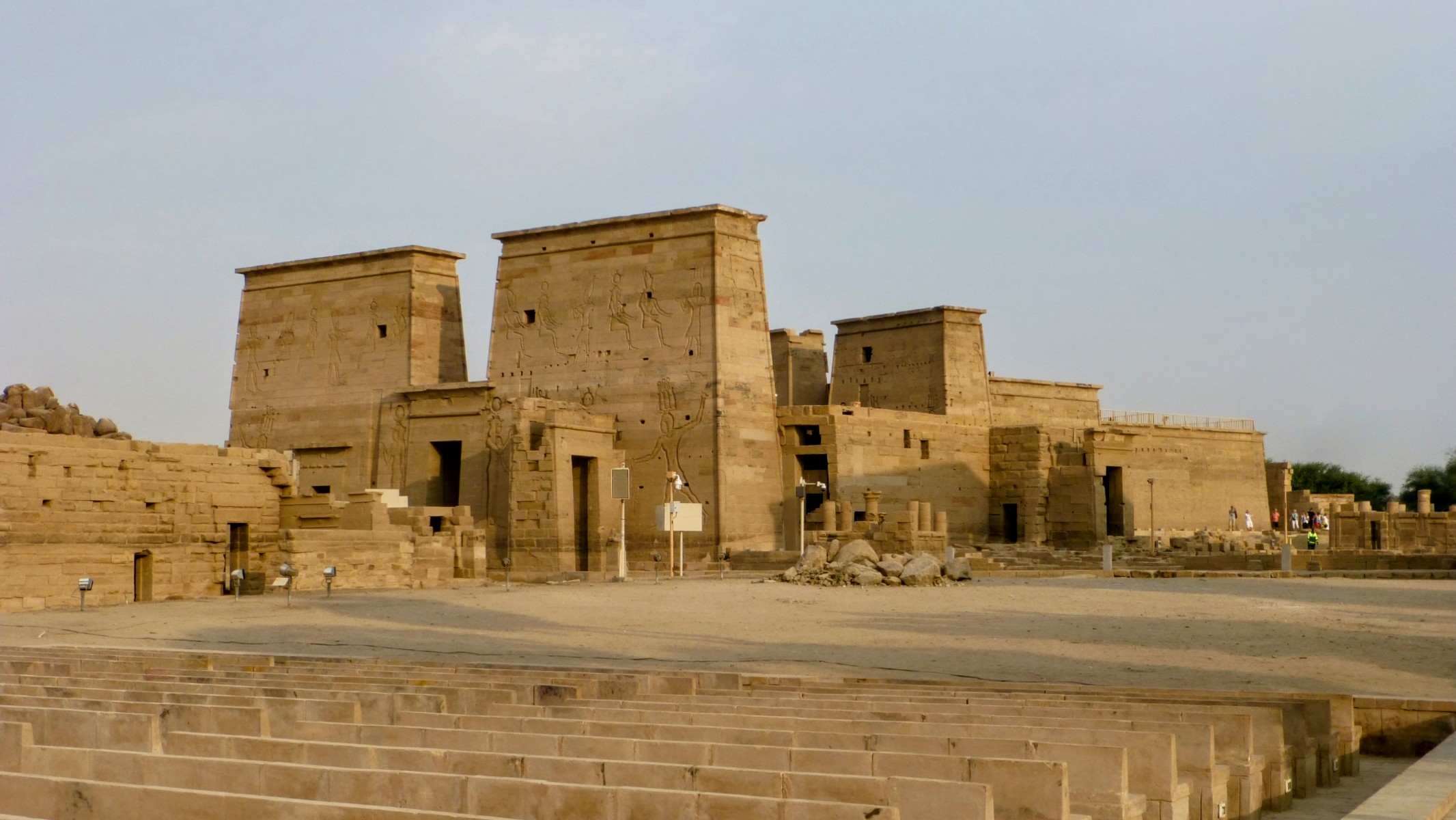
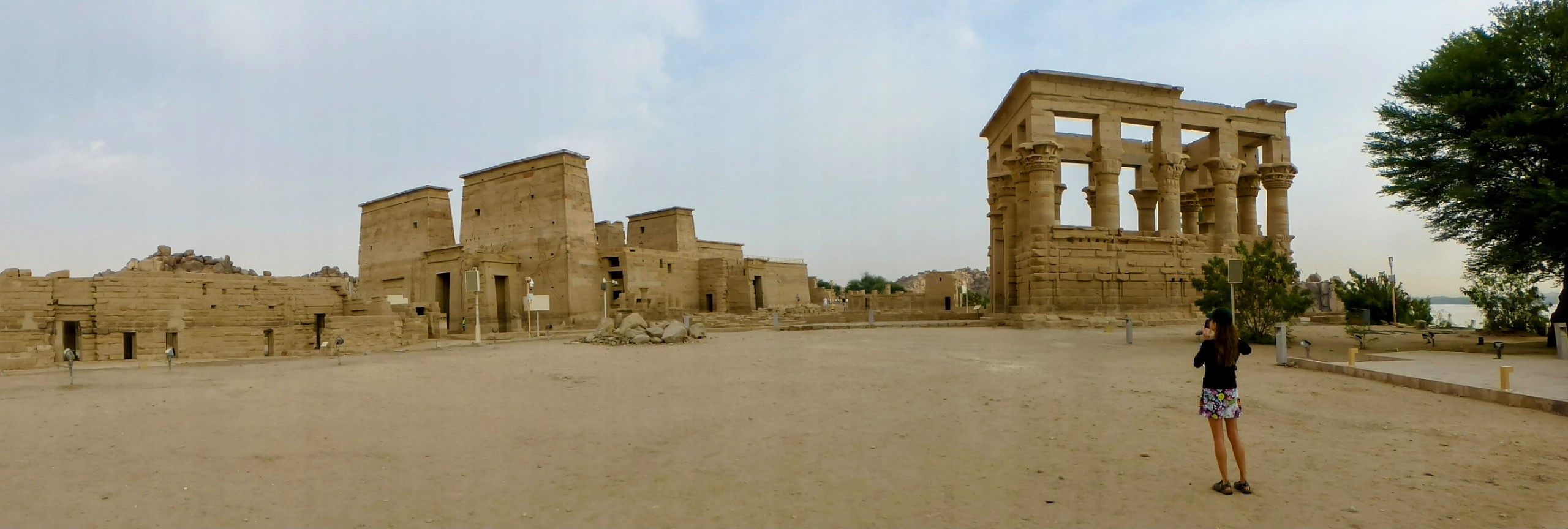
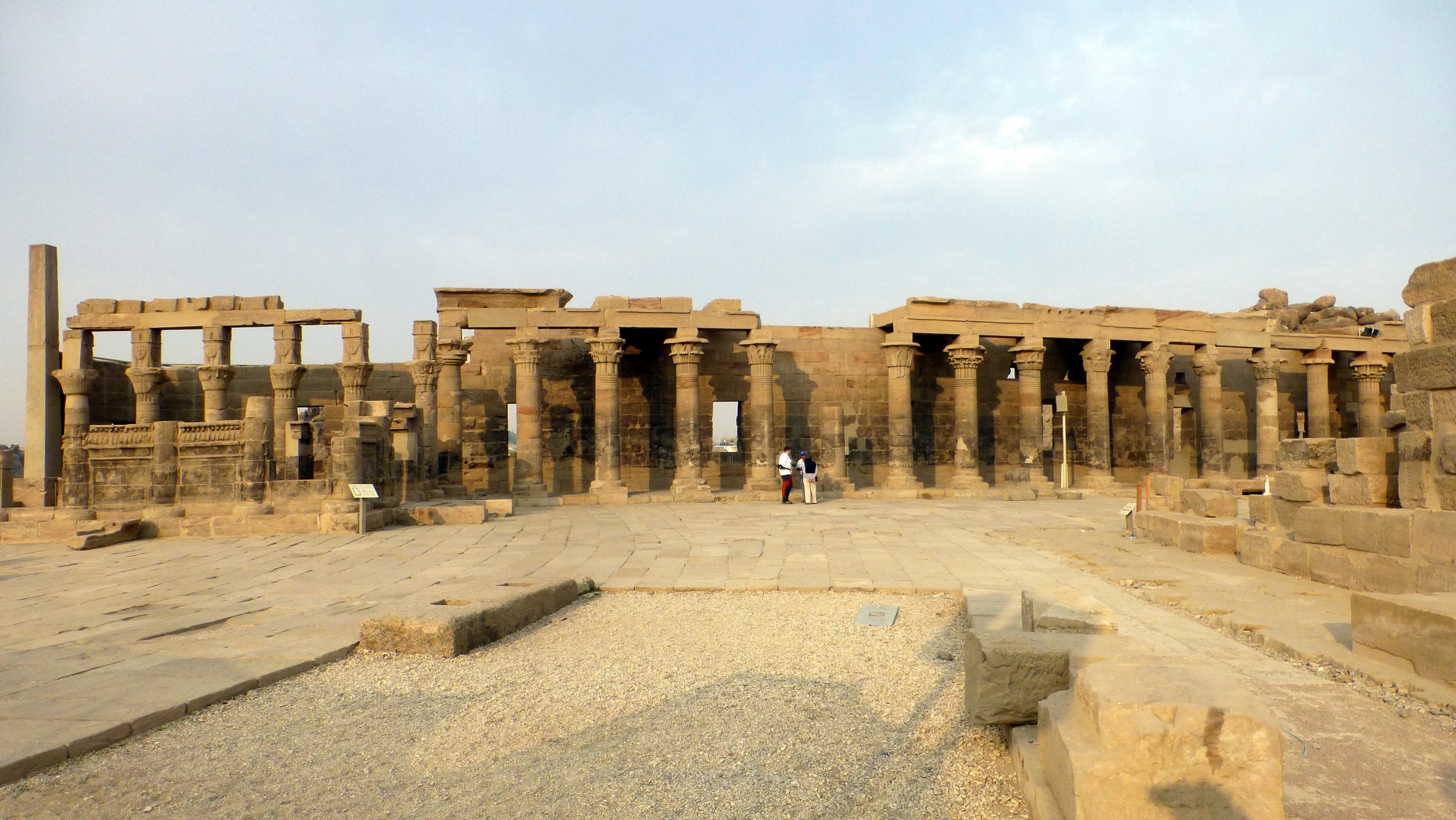
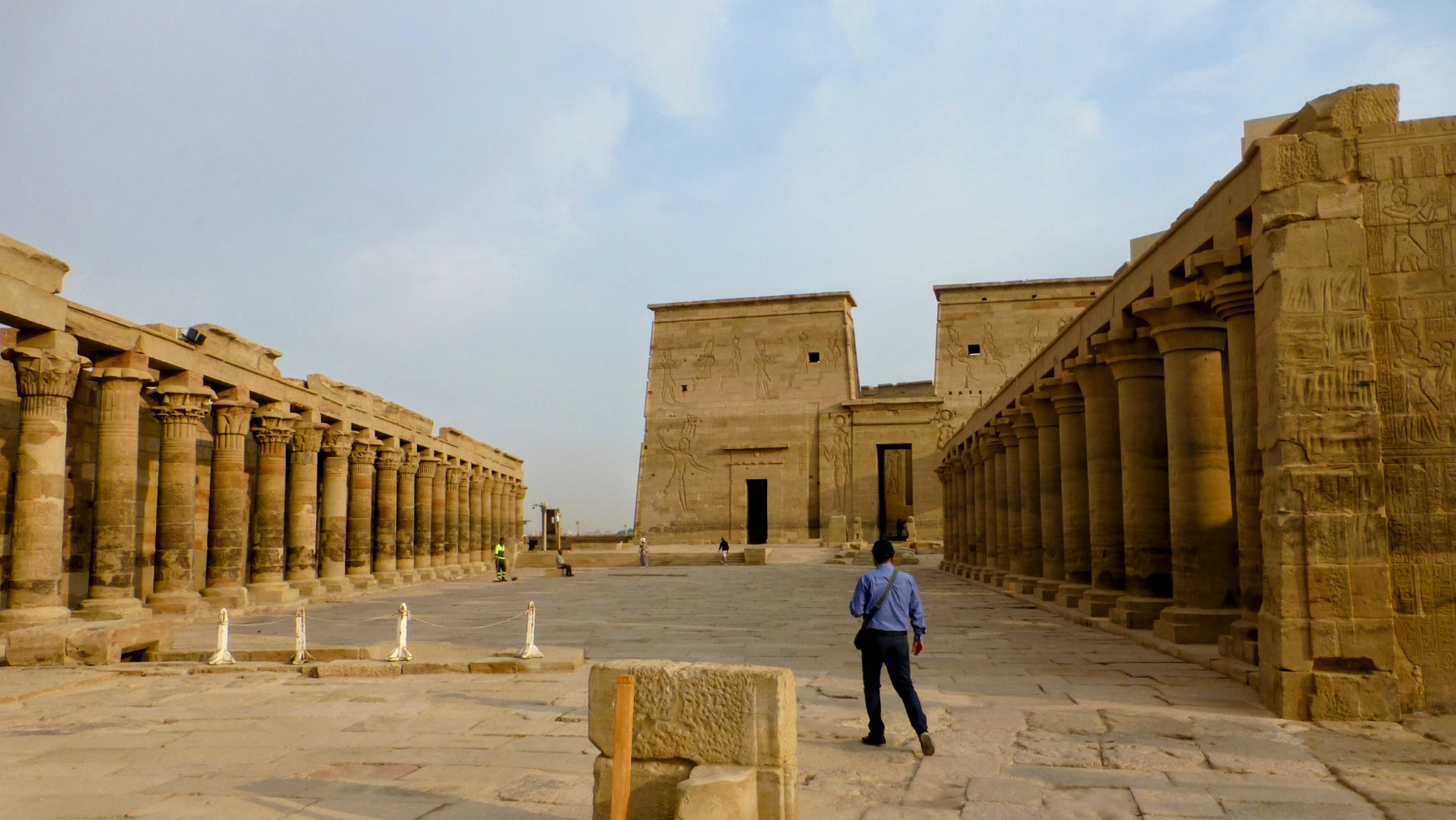
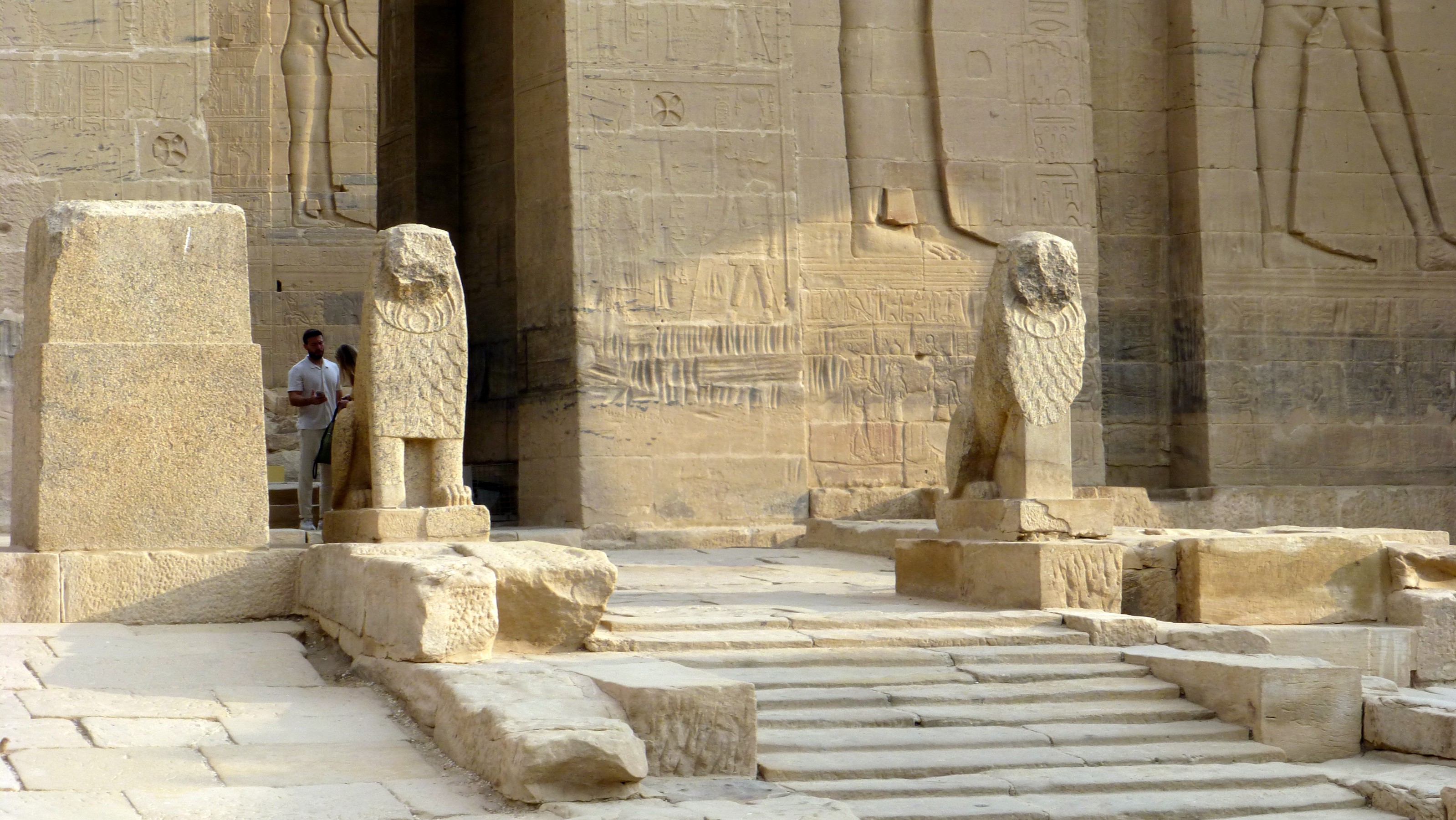
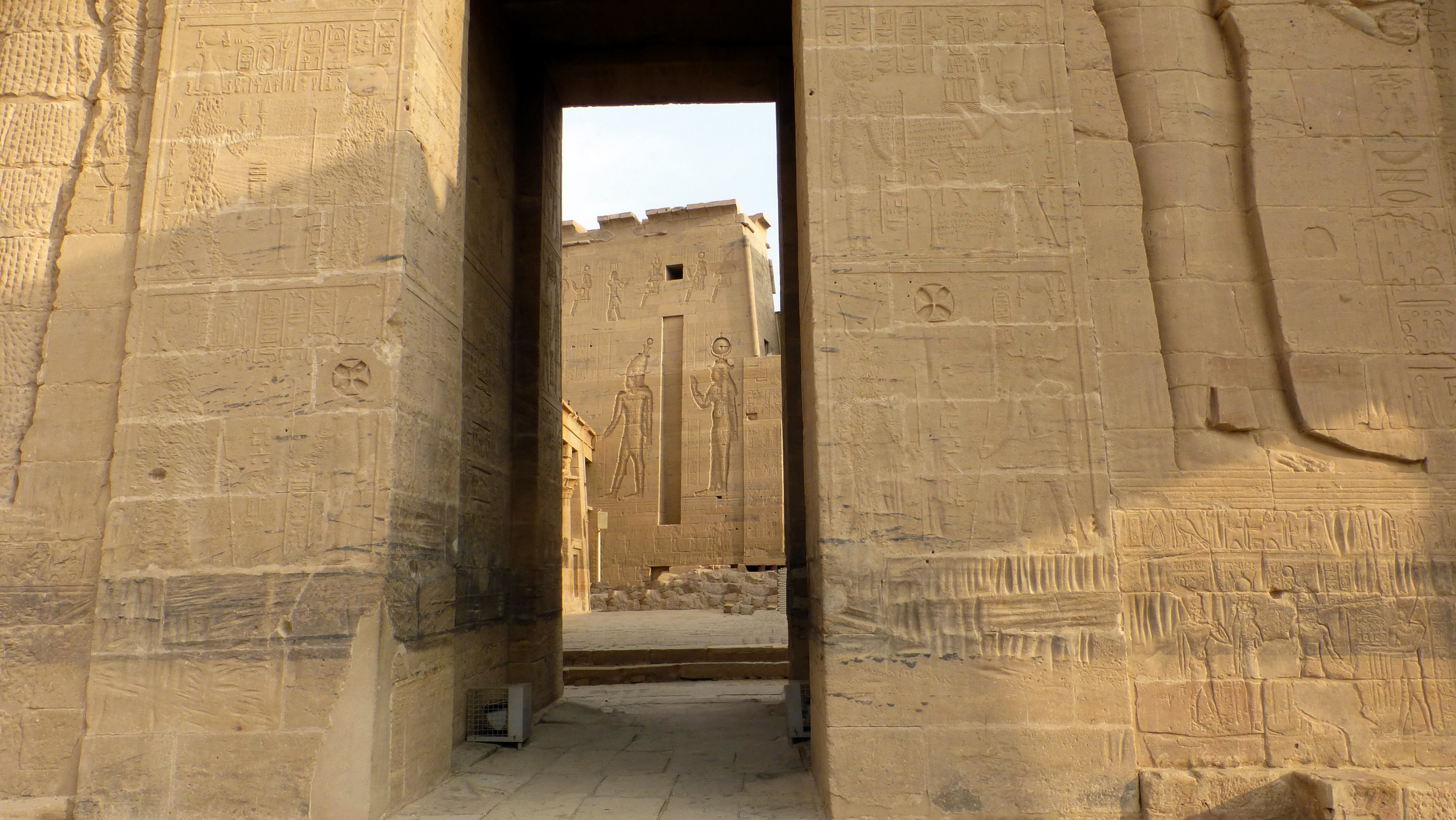
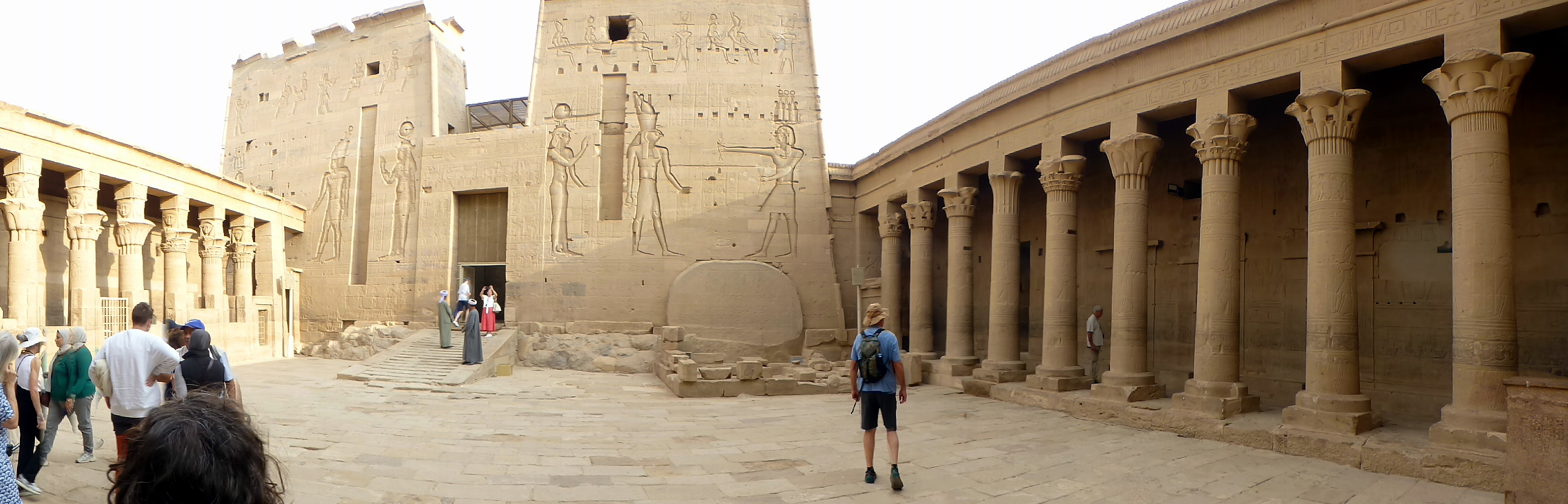
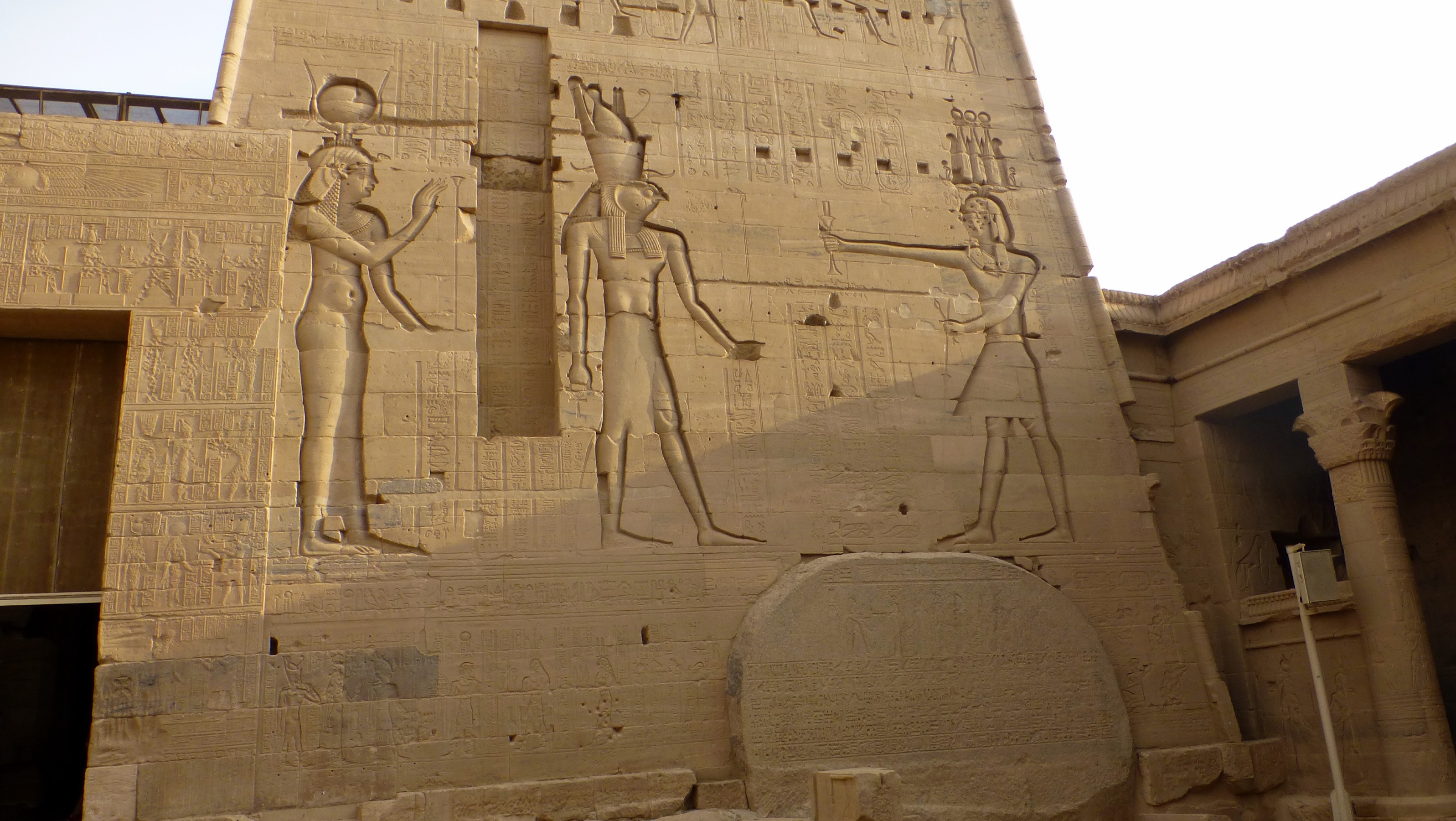
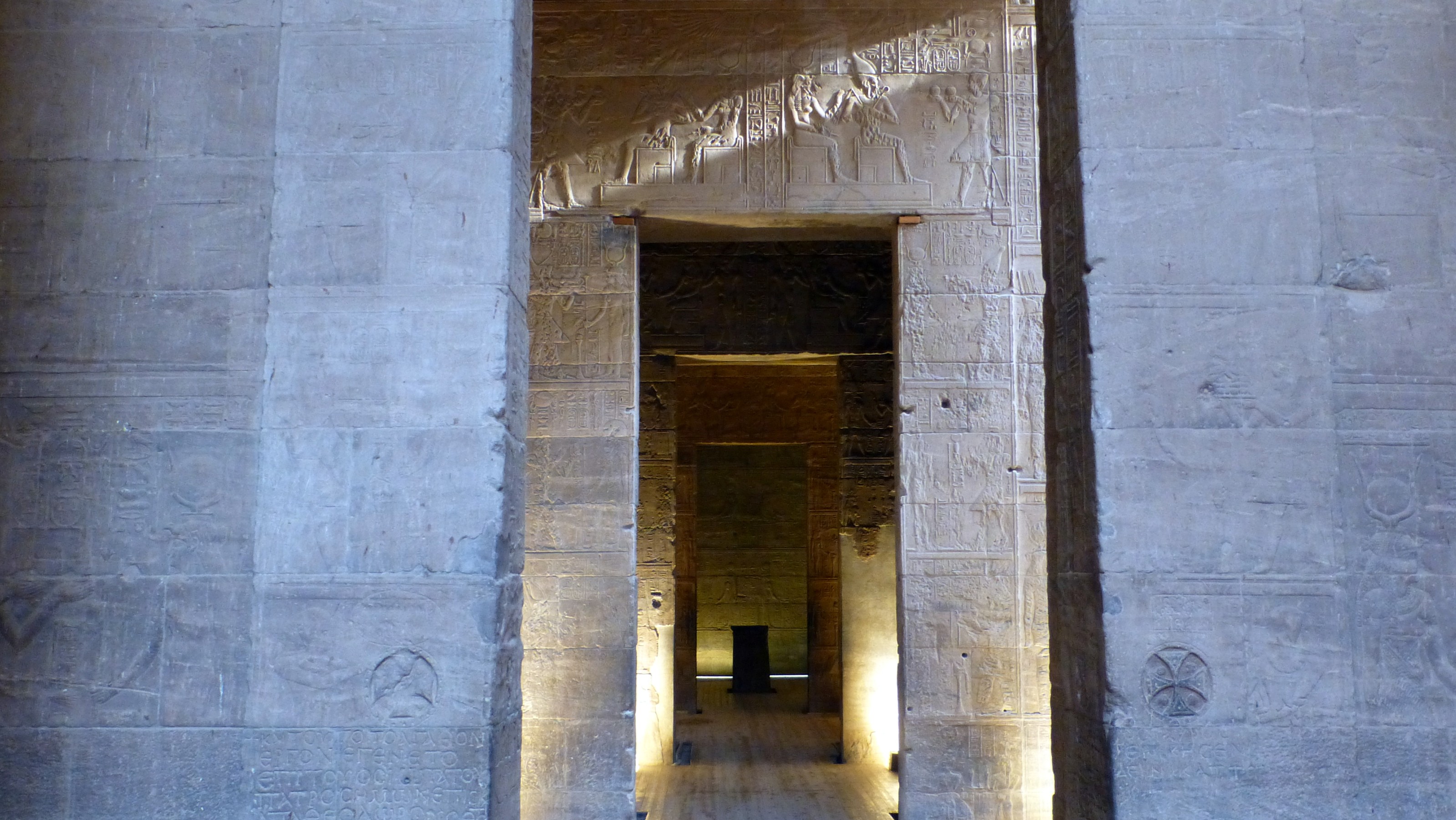
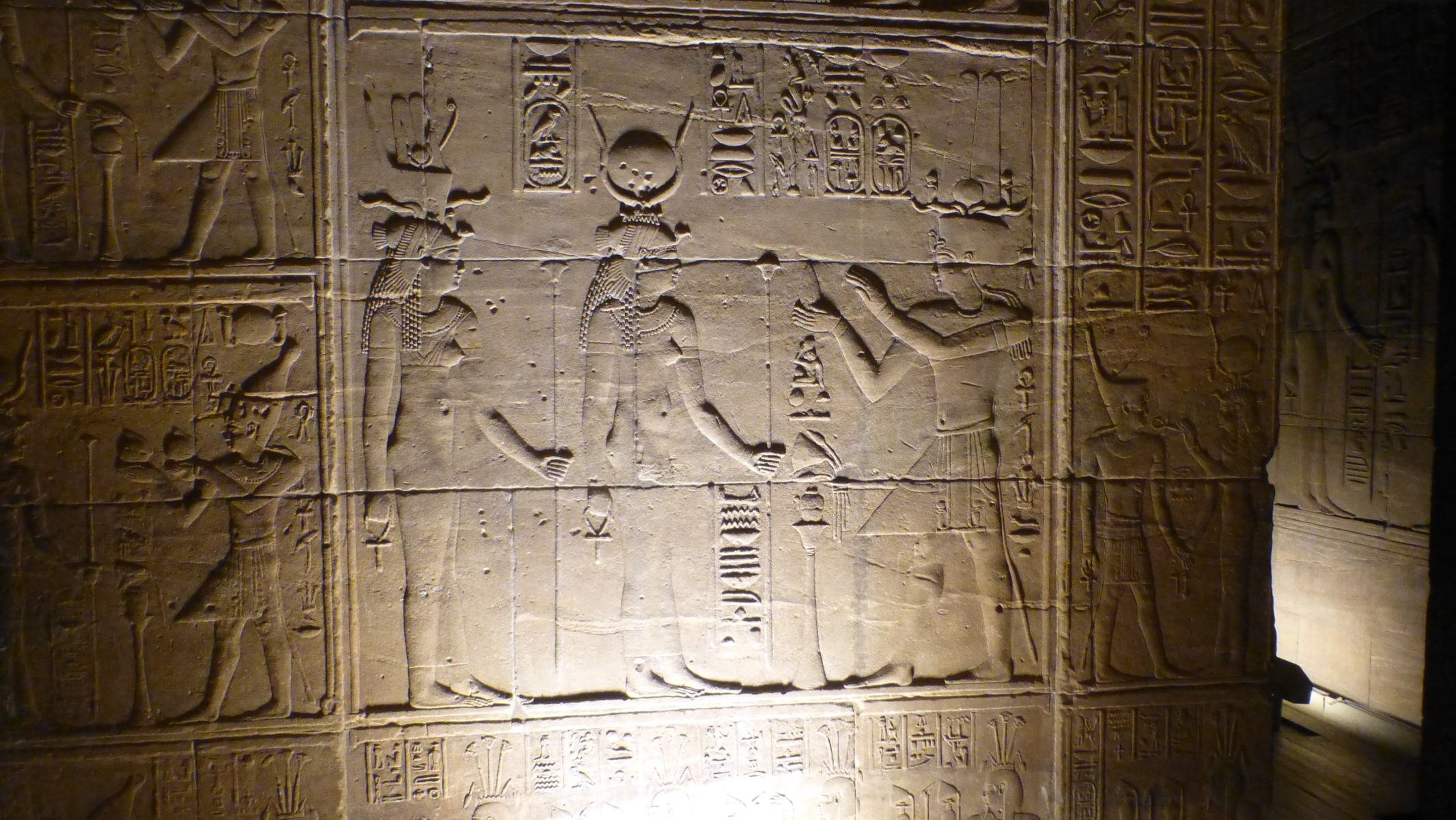
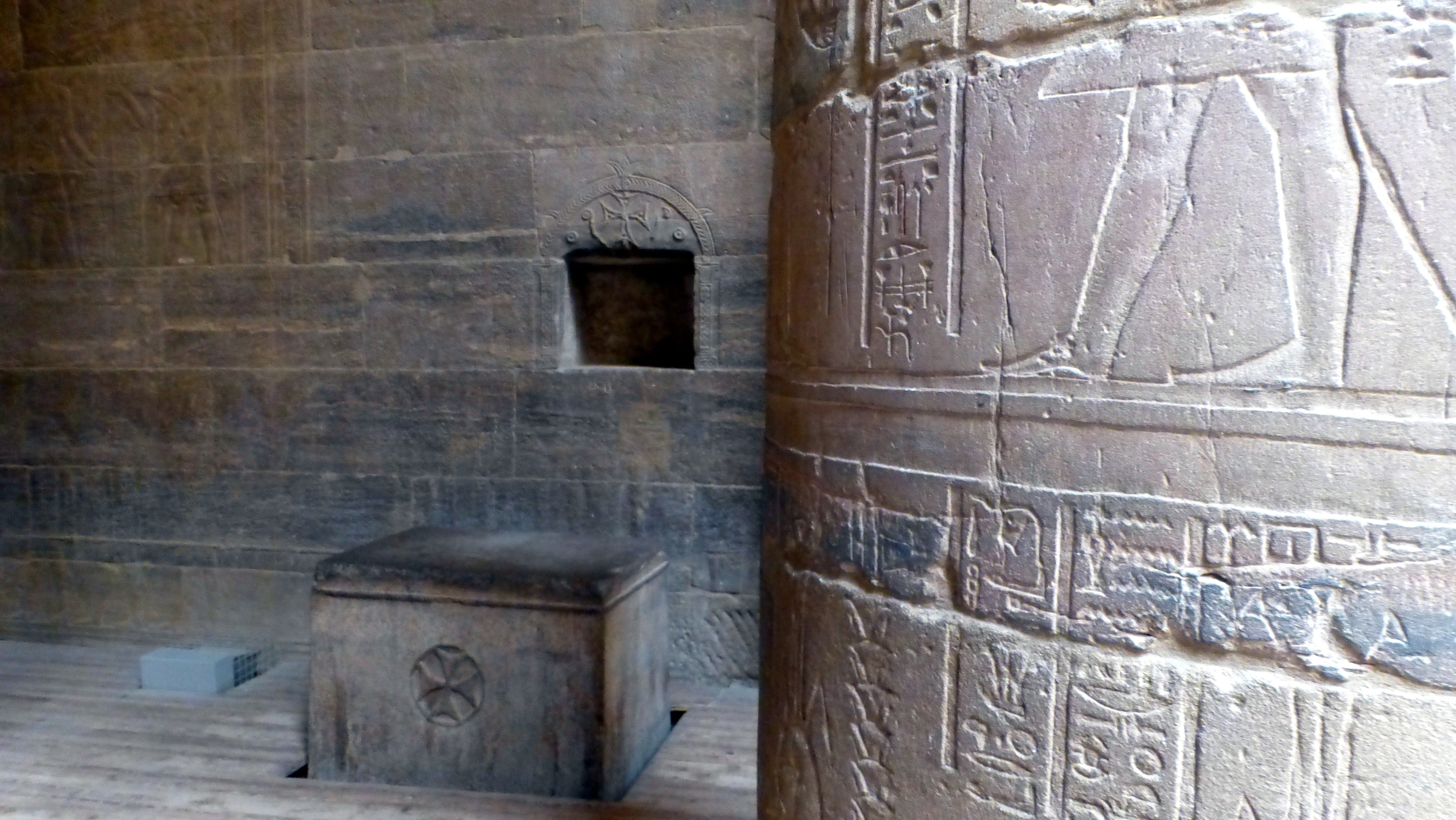
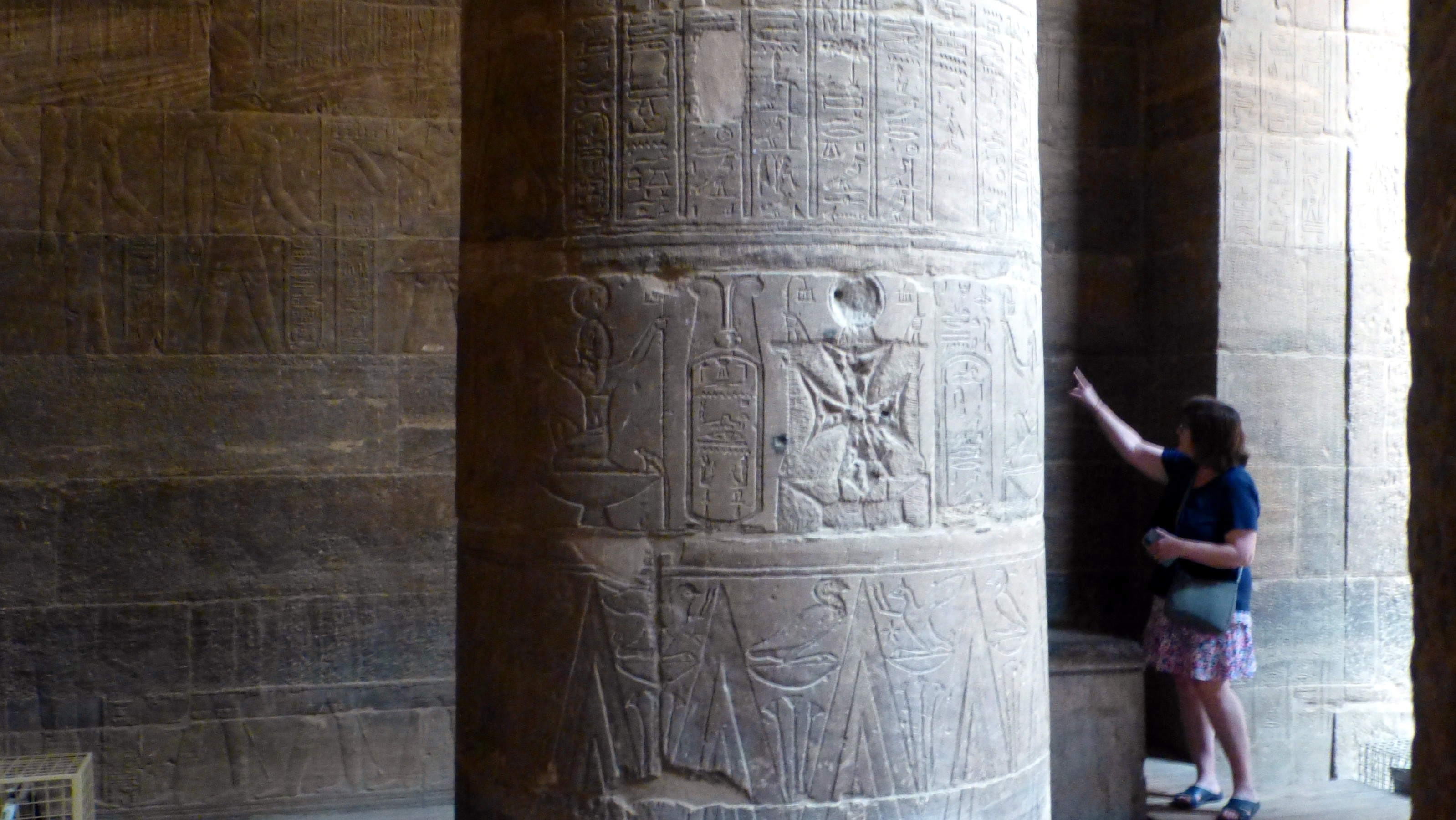
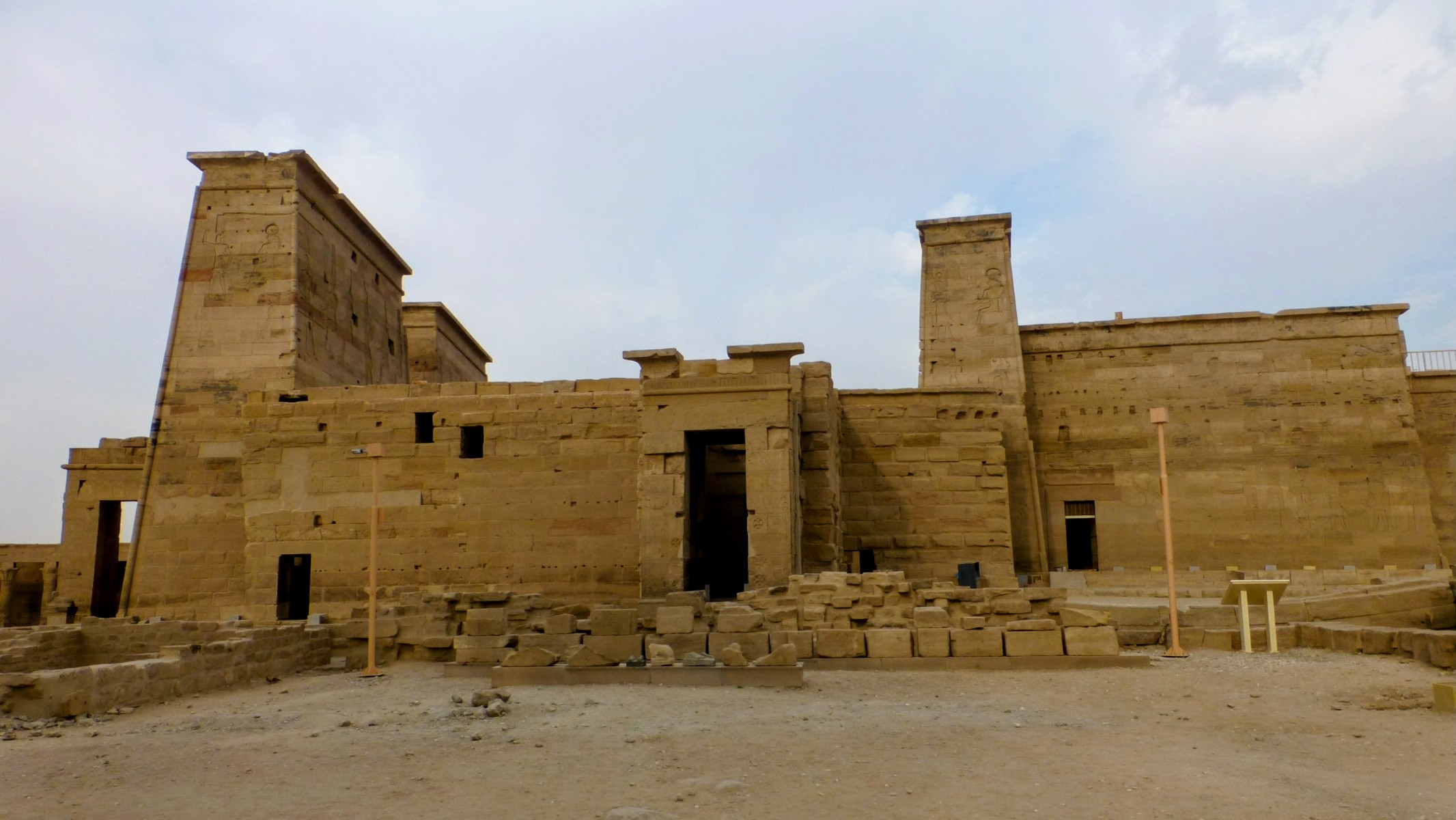
With the construction of the Aswan High Dam, many significant archeological sites were relocated above the reservoir. One of these is the Philae Temple now located on Agilkia Island. As with many Egyptian sites, it developed over time starting during the late Ptolemaic into the early Roman periods. It was dedicated to the goddess Isis, her husband Osiris, and their son Horus. For many years the temple was totally submerged during most of the year. For this reason it as no vivid colors. The temple was painstakingly relocated during the 10 year period of Aswan's construction.
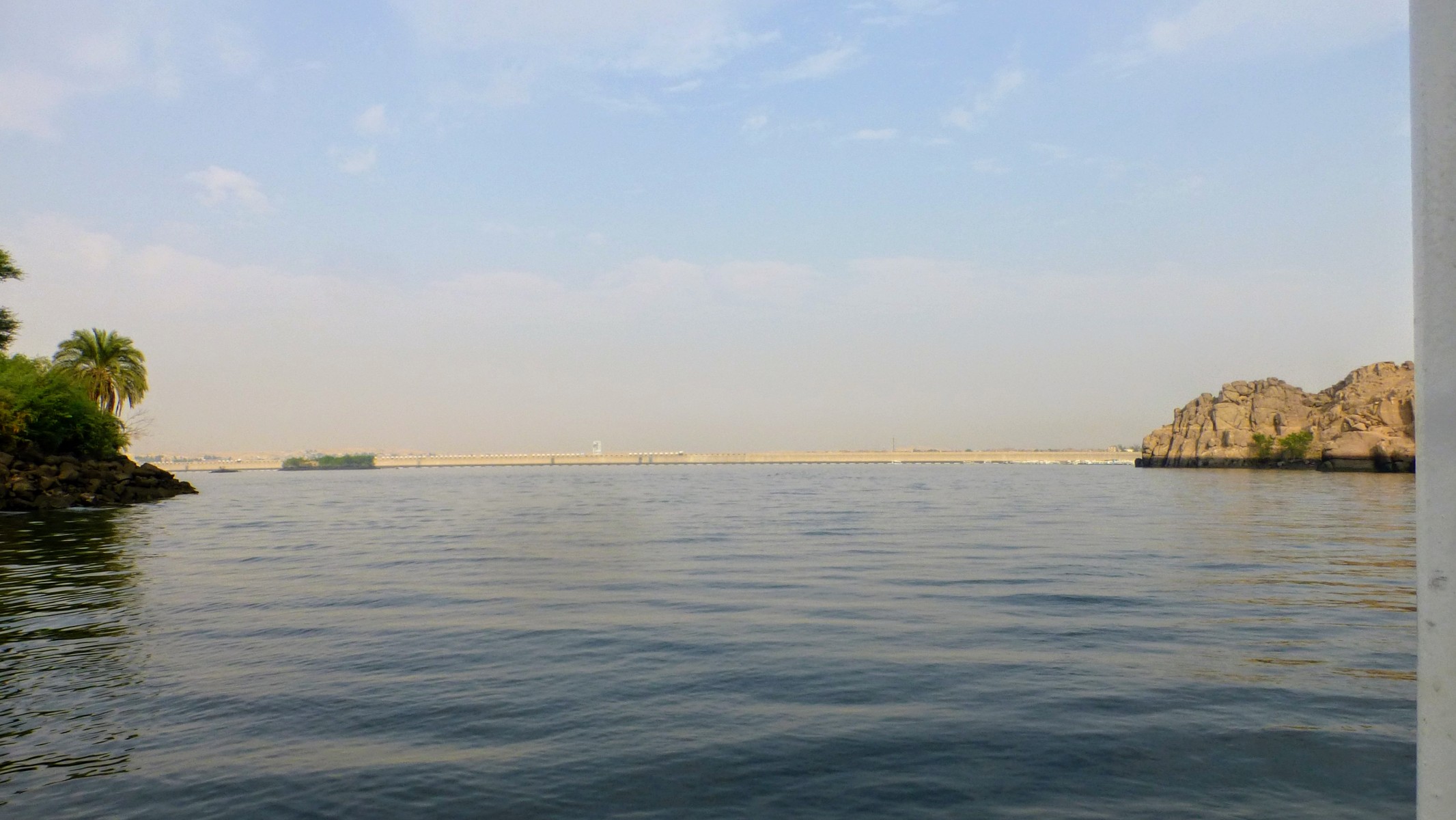
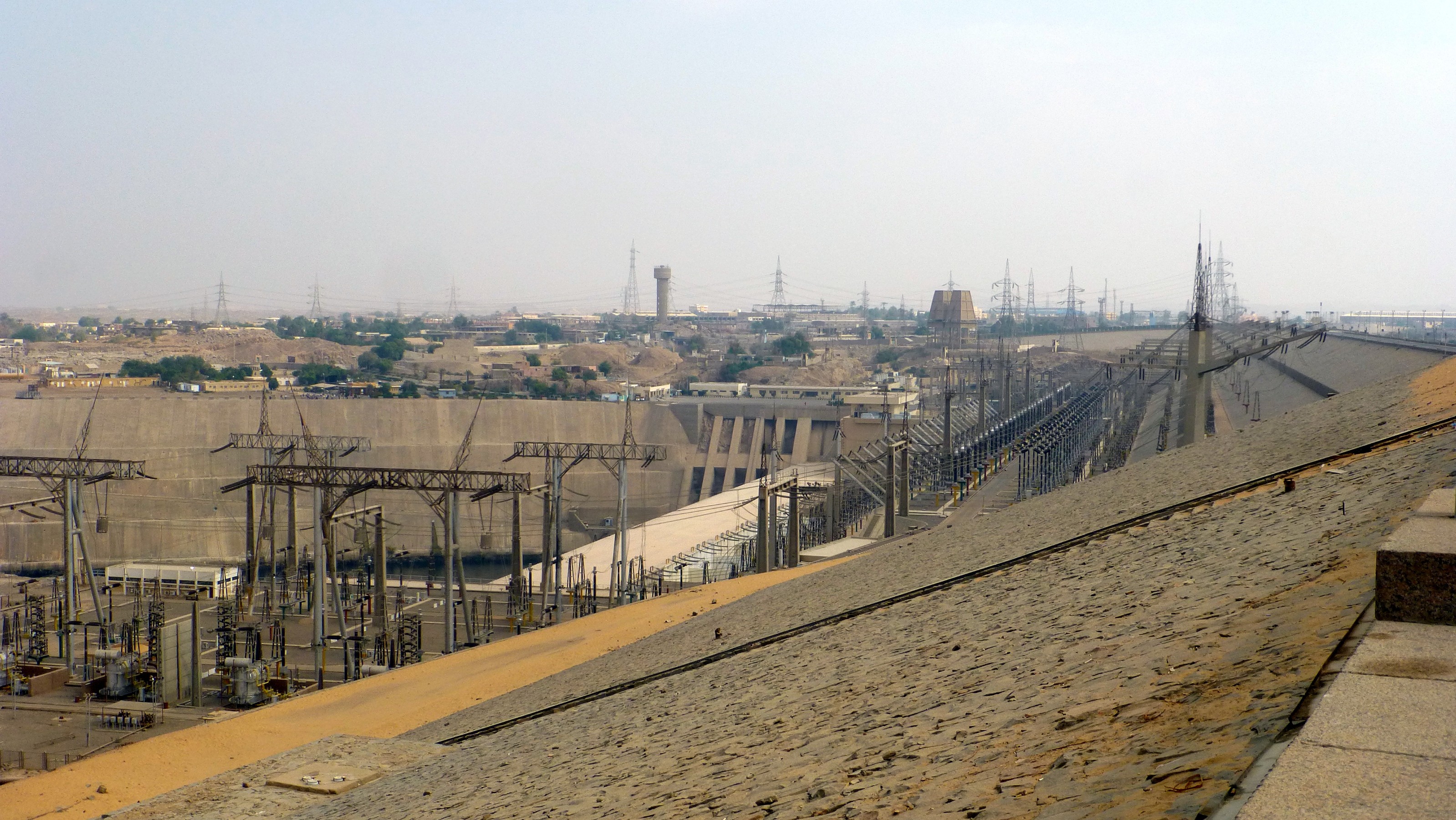
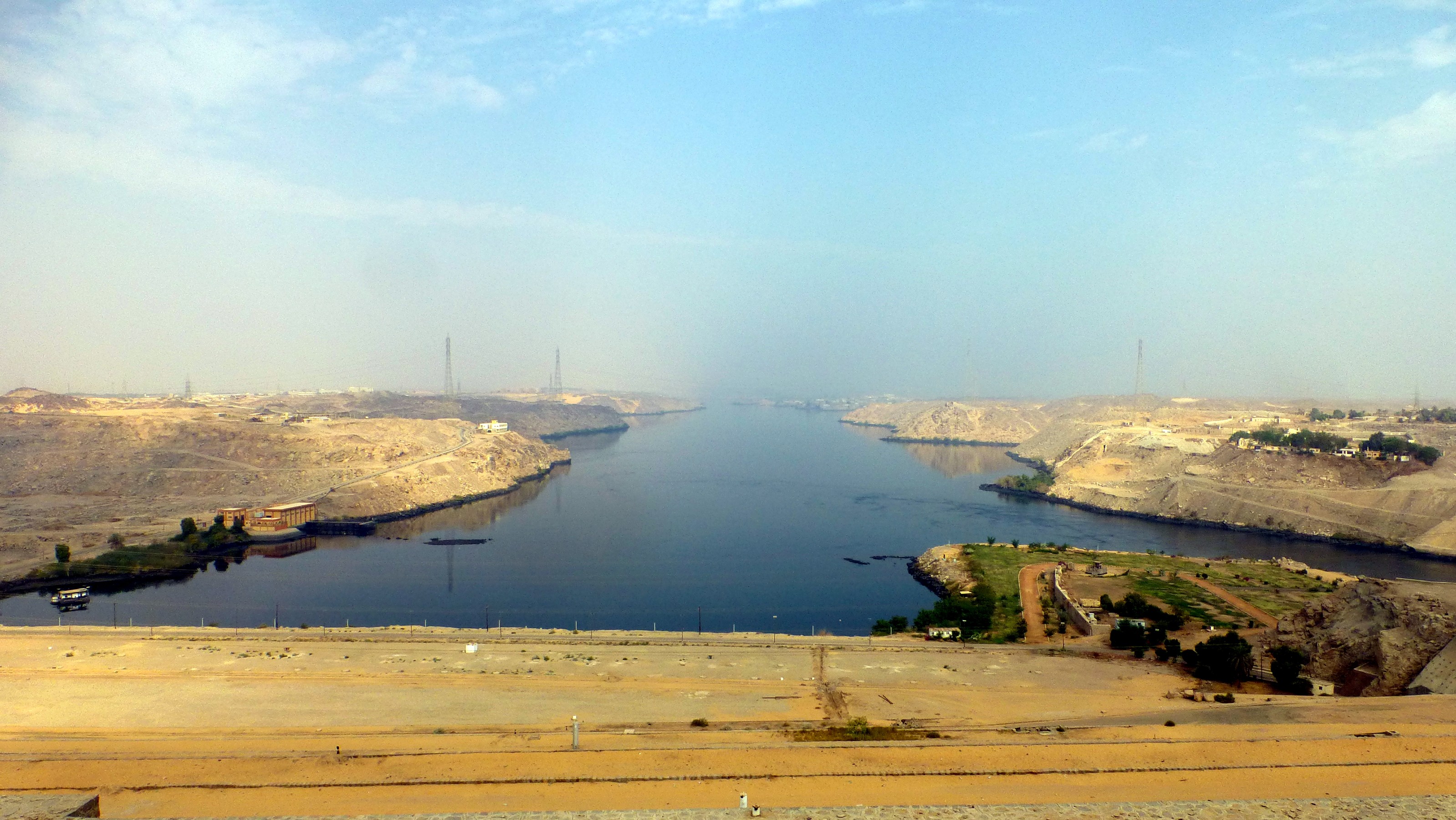
We have several sites on today's itinerary starting with visit to the Aswan High Dam. Completed in 1970, the Aswan High Dam at 364 feet in height was the tallest earthen dam in the world at that time. (At the time it surpassed the Chatuge Dam at 144 feet on the Hiwassee River about 75 miles from my home. The current tallest earthen dam is the Nurek Dam in Tajikistan at 980 feet.) Lake Nasser, Aswan's reservoir, has a surface area of 5,250 square miles. By comparison, Lake Meade (Hoover Dam), one of the largest reservoirs in the U.S., has a surface area of only 247 square miles. Aswan has an installed generating capacity of 2100MW with an annual generation of 10TWh serving approximately 15% of Egypt's electrical needs. In contrast, the largest hydrogeneration dam in the U.S. is Grand Coulee Dam in Washington state. It has a generation capacity of 6800MW with an annual generation of 21TWh representing only 0.5% of total U.S. needs. In addition to its electrical contribution, Aswan is important for flood control, irrigation and navigation of the Nile River.
Unfortunately, for security reasons, we could only take photos from the top of the dam. And because of the air quality, there were few photo opps. One that I didn't get was the military vehicle when we exited with the 50 caliber machine gun mounted on it. The heightened security is required since a breach of he dam with the massive water quantity of Lake Nasser would wipe out a major portion of he Egyptian population.
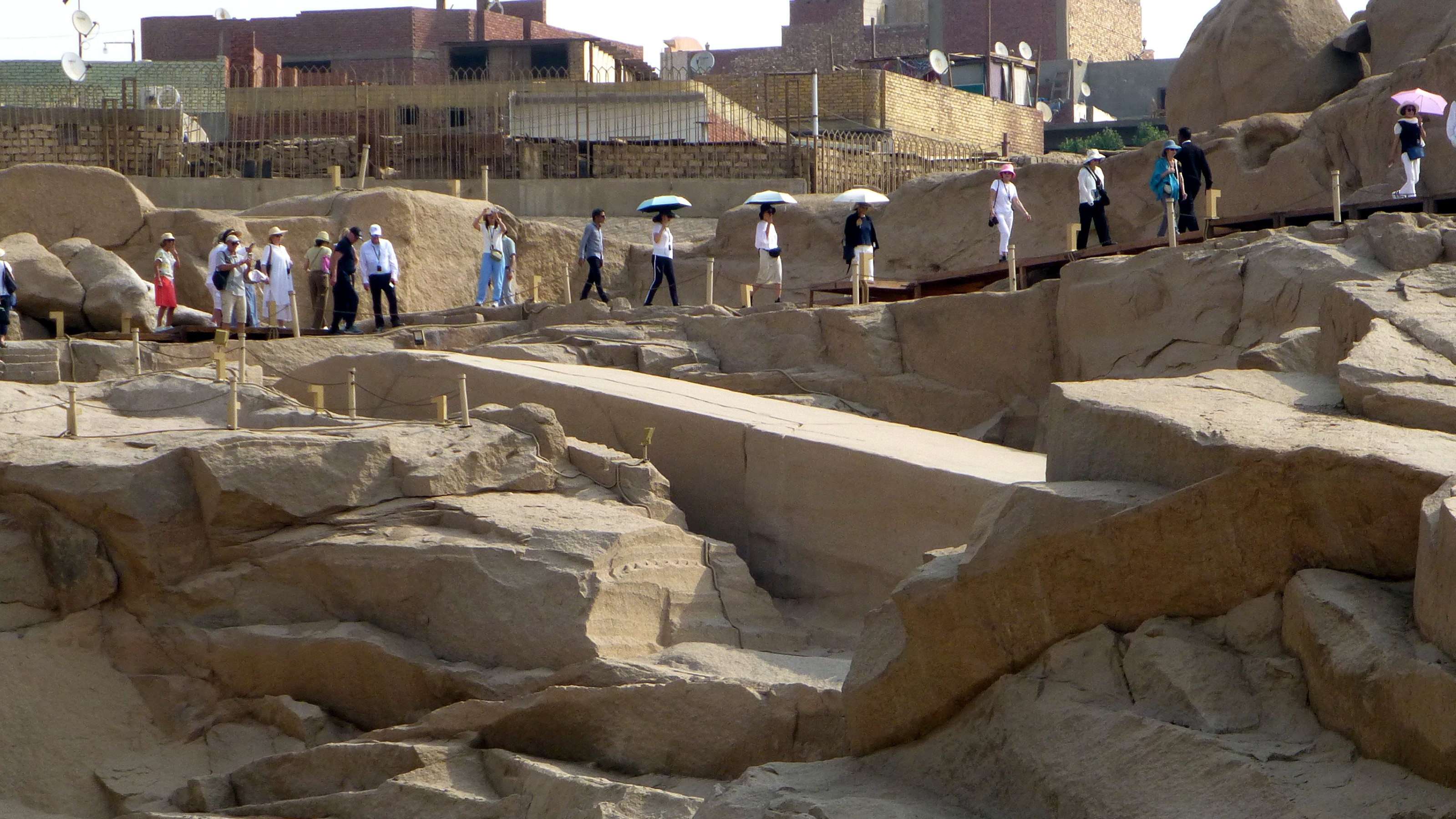
The largest known ancient obelisk was, unfortunately, unfinished! It was commissioned by Queen Hatshepsut yet never completed due to a flaw discovered in the stone. With an unfinished length of about 137 feet and weighing approximately 1000 tons, it would have been nearly a third larger than any known obelisk ever erected. (That's kind of like having a 90% off sale on an item not in stock.) The obelisk and surrounding quarry are included in the UNESCO World Heritage List in 1979.
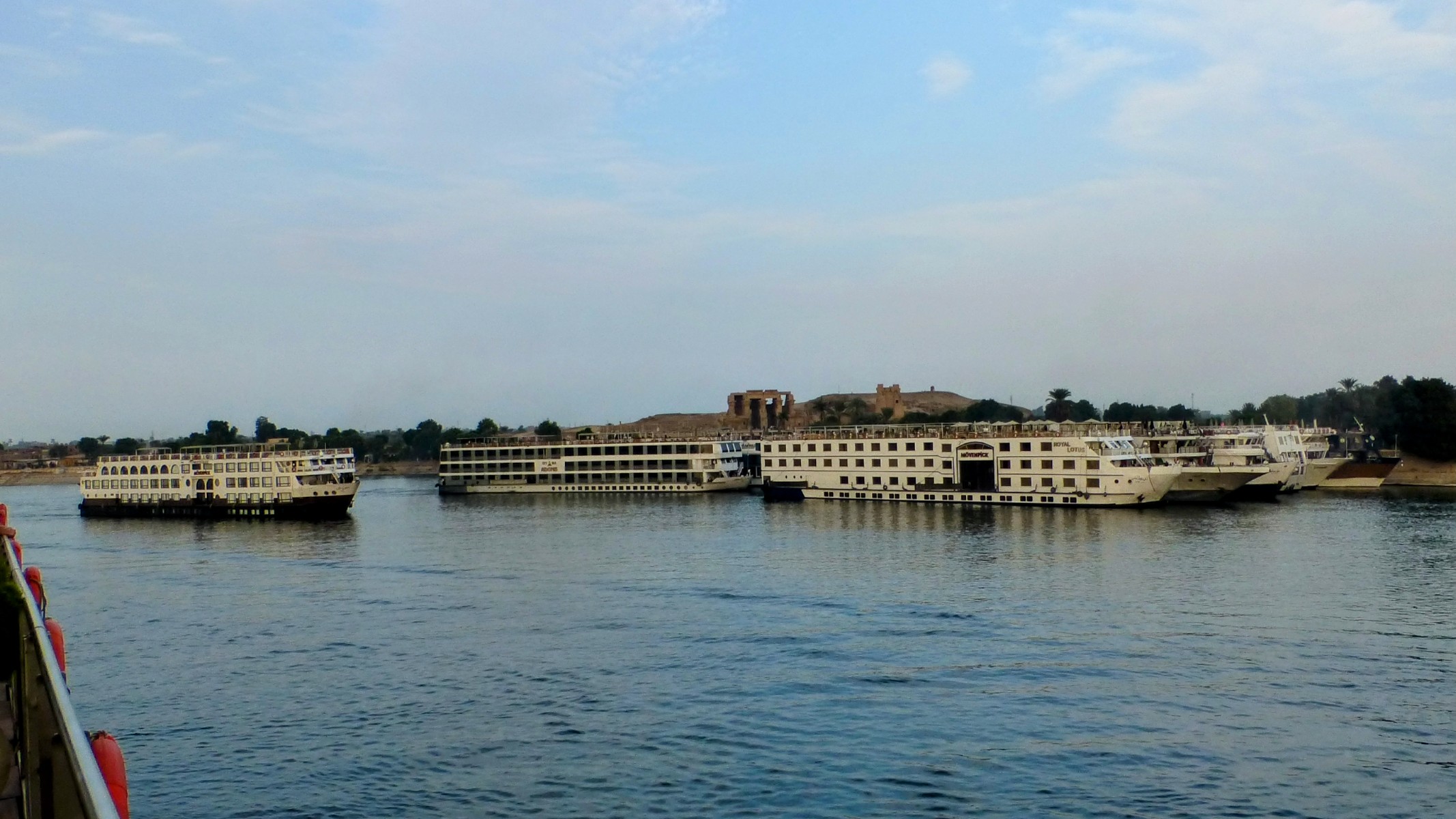
After dinner we were treated to a very special event. In the bar they set up a projection screen and projector and showed the 1978 production of Agatha Christie's Death on the Nile. It starred an "A" list of Hollywood actors and actresses including Bette Davis, Angela Lansbury, Maggie Smith, David Niven, George Kennedy and Mia Farrow with Peter Ustinov as the fastidious Belgian detective Hercule Poirot. I thoroughly enjoyed the movie, particularly the unintended campiness of the acting.
To return to the Splendors of Egypt & the Nile index, click here.
To Day 7 - Abu Sembil Temple To Day 9 - Temple of Khnum